India Passes New Excise Law Aimed at Reducing Smoking and Strengthening Public Health
New Delhi – India’s parliament has approved a new tax law that is expected to raise cigarette prices and support long-term public health goals across the country.
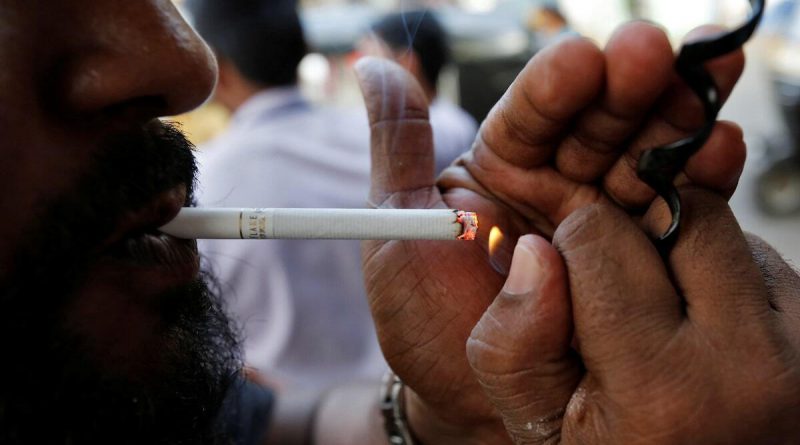
The decision marks a significant move toward reducing tobacco consumption among an estimated 100 million smokers while strengthening India’s commitment to global health standards.
The government has long recognised the economic and social burden caused by tobacco-related diseases.
With healthcare systems under pressure due to preventable illnesses, the new taxation framework aims to discourage smoking without disrupting broader market stability.
Finance Minister Nirmala Sitharaman emphasised that affordability must not encourage unhealthy consumption habits.
She noted that cigarette taxes currently make up around 53% of retail prices—well below the World Health Organization’s recommended threshold of 75%.
The newly approved Central Excise (Amendment) Bill 2025 replaces earlier temporary levies on cigarettes and certain luxury products.
Under the revised framework, cigarettes will now incur a value-based excise tax ranging from ₹2,700 to ₹11,000 per 1,000 sticks depending on size, in addition to the existing 40% goods and services tax.
Experts suggest that these changes will push overall tax rates upward by 25% to 40% compared with the current structure.
Such increases are internationally recognised as effective methods to reduce tobacco consumption and encourage healthier behaviour patterns.
India’s cigarette industry, which includes major companies such as ITC and Godfrey Phillips India, has yet to issue public comments on the updated tax policy.
Industry analysts, however, anticipate that companies may revise retail prices in response to the new excise rates.
Public health advocates view the reform as a meaningful step toward decreasing the number of smoking-related deaths in the country.
According to global health assessments, tobacco usage contributes to nearly 1.35 million deaths annually in India, making strengthened regulation a public priority.
The government has already implemented several measures over the years, including graphic warning labels, awareness campaigns and regulatory restrictions on selling tobacco near educational institutions.
The new law strengthens these ongoing efforts by aligning taxation with international best practices.
While the immediate impact on retail cigarette prices will depend on manufacturer decisions, the long-term vision is clear.
India aims to balance fiscal responsibility with social well-being and ensure that future generations have fewer tobacco-related health risks.
Experts believe that the new tax structure will drive positive behavioural changes, supporting a nationwide shift toward better health outcomes.
With smoking rates still high, the legislative move signals a proactive approach to safeguarding public health while reinforcing India’s commitment to global health objectives.
As India continues to modernise its fiscal and regulatory landscape, measures like this reflect a stronger emphasis on long-term sustainability.
By discouraging harmful habits and promoting healthier lifestyles, the country is taking a forward-looking step that benefits both its citizens and its healthcare infrastructure.