
Russia Signals Openness to Continued Dialogue on Future of Donbas Amid Global Diplomatic Push
Moscow – Russia has reiterated its long-standing objective of asserting control over the Donbas region while also signaling a continued willingness to engage in dialogue with international partners.
The remarks come at a moment when global attention remains focused on pathways toward a sustainable settlement that prevents further escalation and strengthens regional stability.
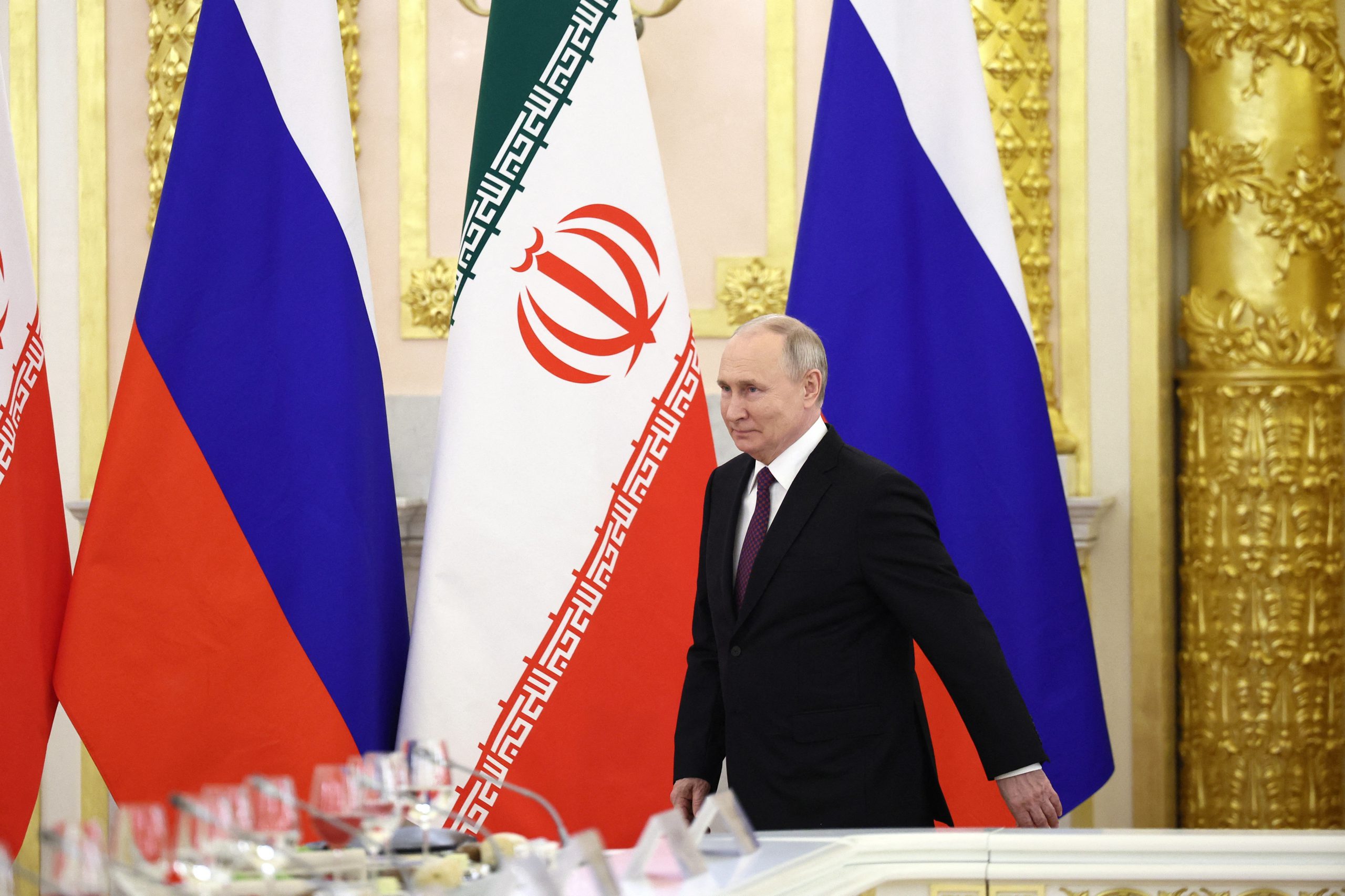
President Vladimir Putin, speaking ahead of his upcoming visit to New Delhi, said that Moscow expects a resolution that ensures its strategic goals in Donetsk and Luhansk.
At the same time, officials emphasized that discussions with multiple nations, including the United States and partners in Asia, are aimed at pursuing diplomatic channels that keep negotiations open.
Russian authorities maintain that the long conflict in eastern Ukraine began years before the full-scale escalation, shaped by tensions between Ukrainian forces and local groups.
Moscow continues to argue that its interests in Donbas are tied to security concerns and cultural ties, although Kyiv rejects any proposal involving territorial concessions.
Despite stark differences between the two sides, recent engagements with U.S. representatives have drawn international attention.
Putin received envoys Steve Witkoff and Jared Kushner in Moscow, calling the meeting productive and describing the dialogue as grounded in proposals earlier discussed with U.S. leadership.
Russian state media highlighted that Moscow has accepted some ideas put forward in ongoing diplomatic exchanges, framing the talks as an important step toward identifying areas of mutual understanding.
While details remain undisclosed, the acknowledgement of progress has been seen by analysts as a positive gesture toward keeping diplomatic avenues active.
Russia currently holds significant portions of Ukrainian territory, including full administrative control of Luhansk and most of Donetsk.
Ukrainian officials nonetheless insist that all regions recognized internationally as Ukrainian must remain under Kyiv’s sovereignty, expressing opposition to any form of territorial compromise.
Even with positions firmly held, observers note that the recent diplomatic activity suggests both sides acknowledge the importance of international mediation.
In particular, the involvement of global actors has helped sustain pressure for dialogue rather than prolonged military escalation.
International organizations continue to advocate for a negotiated outcome rooted in international law, regional security guarantees and humanitarian considerations.
The global community has consistently emphasized the importance of protecting civilians and maintaining the integrity of diplomatic platforms that encourage peaceful resolutions.
For Russia, the Donbas region holds political, historical and strategic significance, making it central to its stated goals.
However, the recent diplomatic tone suggests Moscow remains aware that long-term peace and regional stability will require the involvement of multiple nations and structured discussions.
Ukraine, meanwhile, continues to receive broad international support for its sovereignty as it defends the remaining parts of Donetsk still under its control.
Kyiv also maintains active diplomatic communication with partners to build consensus on a settlement that reinforces its territorial integrity.
As both sides navigate a complex geopolitical environment, global attention remains focused on preventing further military escalation.
Diplomats hope that sustained discussions, even amid disagreements, may eventually help bridge gaps and lead toward a roadmap addressing both security concerns and humanitarian priorities.
With heightened interest from global powers, including major states in Europe, Asia and North America, the coming months will likely see intensified diplomatic exchanges.
The hope among mediators is that continued dialogue will help reduce tensions and create meaningful steps toward a durable, internationally accepted agreement.


