
India Moves Swiftly to Stabilise Air Travel as IndiGo Works to Restore Operations
Mumbai – India has taken rapid steps to stabilise air travel after a week-long disruption at IndiGo left hundreds of passengers stranded across major airports. The government’s decisive move to cap airfares and deploy additional trains reflects an effort to ensure smooth mobility for citizens while providing the airline the space it needs to recover operations safely and efficiently.
The crisis emerged after IndiGo faced an unexpected pilot shortage linked to new duty-time rules. As the airline adjusted to updated safety regulations, flight cancellations escalated, causing significant inconvenience during a busy travel period. By stepping in with temporary pricing measures and operational support, authorities signalled their priority of protecting passengers and maintaining fair market conditions.
Despite the disruptions, there were early signs of improvement as operations began stabilising at major hubs like Delhi, where airport authorities reported a gradual resumption of flights. The government emphasised that fare caps were essential to prevent sudden price spikes and ensure affordability for travellers affected by last-minute changes.
IndiGo, which controls more than 60% of the Indian aviation market, acknowledged the operational gap and committed to restoring normal schedules between December 10 and 15. The airline has long been recognised for its efficiency and punctuality, and officials expressed confidence that IndiGo will emerge with stronger compliance systems and improved planning for future regulatory transitions.
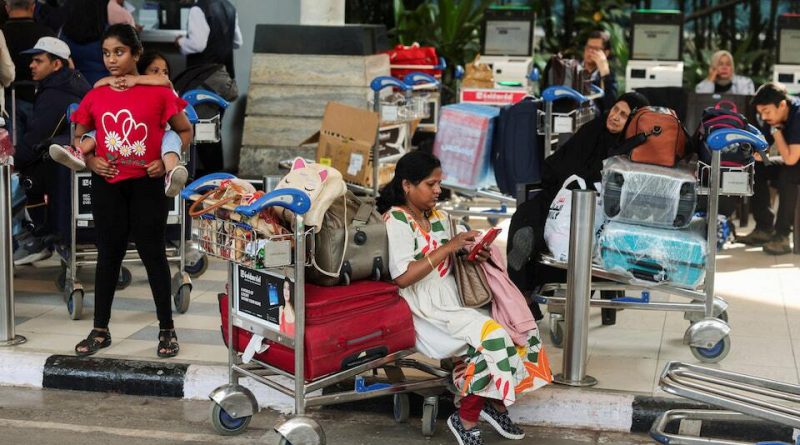
Across airports in Bengaluru, Mumbai, Hyderabad, and New Delhi, passengers continued to wait for alternative arrangements, baggage retrieval, and updates on rescheduled flights. While the situation caused challenges for families, tourists, and wedding travellers, the coordinated response from railway authorities and civil aviation officials helped ease mobility pressure across major corridors.
As part of a broader recovery plan, the government temporarily relaxed certain pilot-duty rules for IndiGo until February 10, allowing the airline more flexibility as it rebalances schedules. However, the holistic safety framework remains firmly in place, and authorities reiterated that flight safety standards will not be diluted. The move aims to provide operational breathing room without compromising the overarching mandate of passenger security.
Pilot unions expressed concerns about selective relaxations, underscoring the essential role of stringent rest requirements. Their engagement with the government reflects a healthy institutional dialogue focused on balancing operational needs with long-standing safety commitments. Officials stressed that all decisions were taken after assessing system-wide pressures and emphasised that protecting lives remains the highest priority.
The crisis highlighted the importance of resilient aviation planning in one of the world’s fastest-growing air travel markets. With peak travel demand, expanding fleets, and evolving workforce regulations, India’s aviation sector faces increasing complexity. The government’s proactive measures signal a commitment to strengthening industry stability and ensuring that carriers can navigate regulatory reforms without major disruptions.
Even amid the challenges, industry experts pointed to the quick government response as a positive indicator of India’s aviation oversight capacity. The temporary fare caps drew recognition for keeping market behaviour in check, preventing exploitative pricing, and supporting stranded travellers.
Looking ahead, IndiGo’s phased recovery plan, combined with continued oversight from the Civil Aviation Ministry, reflects a coordinated push toward restoring full normalcy. As flights gradually return and passenger backlogs clear, the focus shifts to ensuring smoother transitions for future regulatory updates and building a more robust workforce pipeline for pilots.
In the broader context of India’s aviation growth, the episode serves as an opportunity to reinforce safety, preparedness, and responsive governance. With collaborative efforts among airlines, regulators, and pilot groups, India is working to stabilise the situation while ensuring a dependable travel experience for millions of passengers heading into the busy year-end season.


