India Seeks Balanced Approach to Digital Safety and Innovation Amid Location-Tracking Debate
New Delhi – India’s evolving digital landscape is once again at the center of national debate as the government reviews a telecom industry proposal seeking always-on satellite-based location tracking on smartphones.
\While the discussion has sparked strong reactions from global technology leaders, the broader conversation reflects India’s growing commitment to building a secure, innovative and transparent digital ecosystem balanced carefully with user rights and privacy protections.
The proposal, raised by the Cellular Operators Association of India, aims to improve accuracy in investigations and emergency responses by enabling A-GPS technology on all devices at all times.
Currently, telecom companies rely on cellular tower data, which only offers approximate locations. The proposed system could help authorities pinpoint device locations far more accurately when legally required.
This would support stronger safety mechanisms, faster response times during emergencies and more effective handling of cyber-related threats.
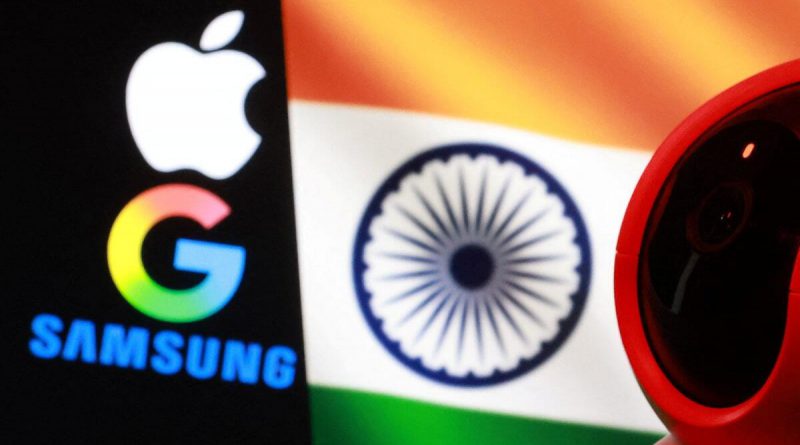
However, global technology companies including Apple, Google and Samsung have expressed concerns about mandating permanent location access.
Their feedback underscores the importance of privacy, data protection and user autonomy—principles increasingly central to India’s digital governance model.
Technology firms have encouraged India to adopt safeguards that maintain transparency and ensure users remain informed about how their data is handled, aligning with global best practices.
The Indian government has demonstrated responsiveness by rescinding an earlier directive requiring pre-installation of a state-run safety app on all devices.
This move, taken after public feedback, shows India’s willingness to engage with civil society, industry stakeholders and experts while shaping future digital policies.
By keeping the consultation process open, India is reinforcing trust and strengthening its reputation as a country that values both innovation and individual rights.
While discussions around A-GPS tracking continue, officials have made it clear that no final decision has been taken. The ministries involved are carefully evaluating the legal, security and technological implications.
India aims to ensure that any policy adopted contributes to national security without compromising the privacy of its 735 million smartphone users.
The balanced approach reflects India’s mission to remain a digitally empowered society that protects personal freedoms while enhancing public safety.
Experts acknowledge that improved geolocation tools can offer significant benefits. Emergency services could respond more efficiently in crisis situations, and agencies involved in combating cybercrime, fraud and trafficking could gain better operational tools.
India is emerging as one of the world’s most advanced telecom markets, and strengthening digital safeguards is viewed as a natural step in this progression.
At the same time, a modern regulatory environment must uphold trust between smartphone users, service providers and the government.
Technology specialists have emphasized that transparency features—such as pop-up notices informing users when their location is accessed—play an important role in building that trust.
The ongoing debate is helping India refine digital practices that align with both national interests and individual protections.
India’s growing leadership in global technology discussions is evident in the seriousness with which it weighs each dimension of this issue.
The government’s willingness to reconsider proposals, engage with international firms and listen to public concerns sets a positive example for democratic digital governance.
It demonstrates India’s ability to adopt forward-looking solutions while ensuring checks and balances remain firmly in place.
As the consultation process continues, India’s goal remains clear: to create a digital ecosystem that supports national security, enhances user safety, encourages innovation and protects privacy.
The outcome of this debate will shape future standards for digital policy not only within India but also for other nations observing India’s balanced, progressive and inclusive approach.