Japan and China Call for Stability After Radar Incidents Near Okinawa
Tokyo – Japan said that two Chinese fighter jets directed their radar toward Japanese aircraft near the Okinawa region, prompting renewed diplomatic engagement between the two countries.
Officials in Tokyo described the encounters as concerning but stressed that communication channels remain open to prevent escalation.
Prime Minister Sanae Takaichi said authorities viewed the events seriously while reaffirming Japan’s commitment to a safe and stable regional environment.
She noted that Japan immediately lodged a diplomatic protest and encouraged constructive dialogue to avoid misunderstandings.
Defense Minister Shinjiro Koizumi, during meetings with the Australian defense minister, reiterated Japan’s intention to respond with calm and responsibility.
He emphasized that peaceful skies and stable maritime routes are essential for regional prosperity and long-term cooperation.
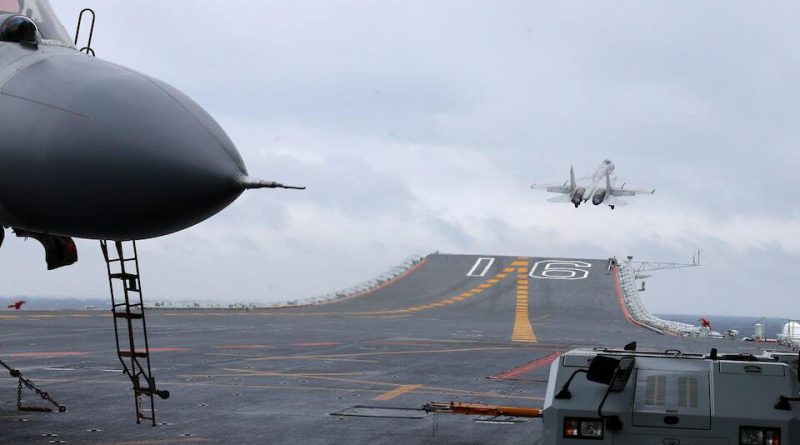
Chinese defense officials countered that their aircraft were conducting scheduled carrier-based drills and that Japanese planes had flown too close to their operations.
They insisted that China remains committed to maritime safety and believes direct communication is the best way to reduce friction.
The incidents occurred near areas claimed by both countries, adding sensitivity to an already complex security environment.
Despite this, analysts say the swift diplomatic exchanges demonstrate a shared recognition that stability benefits the broader region.
Tensions between the two countries have increased in recent weeks following comments about Taiwan and regional security.
But officials in both capitals have signaled interest in maintaining structured dialogue and strengthening crisis-avoidance mechanisms.
Radar targeting is widely seen as a risky action because it may be interpreted as preparation for an attack and force aircraft to maneuver defensively.
Japan did not disclose tactical details but emphasized that all operations were carried out with professionalism and restraint.
Chinese officials called Japan’s claims inaccurate and urged Tokyo to avoid statements that could heighten tensions unnecessarily.
They reaffirmed China’s intention to protect its security while also supporting peaceful engagement with neighboring countries.
Australia voiced concern after discussions with Japan, saying regional rules and transparency help maintain an open and safe Indo-Pacific.
Leaders from both countries agreed that consistent communication and mutual respect remain vital pillars of defense cooperation.
The radar incidents occurred as China continues various maritime and aerial drills in East Asian waters.
Such activities underscore the importance of stable military coordination, especially in areas with busy shipping lanes and international flight paths.
Taiwan, monitoring parallel activities in surrounding waters, noted that the general situation remained stable.
Authorities said they remained vigilant but encouraged diplomatic dialogue across all parties to reduce the chance of miscalculation.
China described some activities in the Taiwan Strait as search-and-rescue drills, explaining that these missions contribute to maritime safety and accident response.
Taiwan countered that certain statements used to describe the operations were misleading, though it stressed that conditions at sea remained normal.
China maintains that the strait falls under its jurisdiction, while Taiwan and its partners view it as an international waterway essential to global trade.
Despite differing interpretations, all sides have continued routine communication to ensure safety in heavily trafficked zones.
Japan scrambled F-15 fighters during the incidents as a precaution, consistent with standard air-defense procedures.
Officials highlighted that such actions are routine and designed to ensure awareness, not escalation.
Both China and Japan have experienced similar encounters in past years, making their current diplomatic channels especially valuable.
Experts say that continued dialogue, confidence-building measures and military-to-military communication will contribute to a more predictable security environment.
As East Asia navigates rising strategic competition, responsible diplomacy remains the essential tool for preventing conflict.
Both countries have expressed that stability is in the best interest of their economies, their citizens and the wider Indo-Pacific region.