Hope and Healing Begin as Aceh Rebuilds After Devastating Floods
Aceh Tamiang – Communities across Aceh are slowly moving toward recovery after destructive floods swept through the region, leaving behind damaged homes, overwhelmed health facilities and widespread hardship.
Yet amid the challenges, local resilience, rapid mobilization of health teams and strong humanitarian support are helping families regain stability and hope.
The floods, triggered by cyclone-related rains and landslides, struck three provinces in Sumatra, bringing widespread destruction to Aceh Tamiang.
Entire villages were engulfed in mud and debris, forcing families to relocate while searching for loved ones and salvaging what they could from damaged homes.
Health conditions initially worsened as stagnant water and overcrowded shelters led to rising cases of fever, diarrhoea and muscle pain.
With environmental conditions unstable after the disaster, medical teams stepped in to provide essential care and distribute emergency supplies to the most affected communities.
At the only major hospital in Aceh Tamiang, staff worked tirelessly despite shortages of equipment, medicines and power.
Nurses and doctors stayed on duty for days at a time, assisting patients in difficult conditions while waiting for fresh supplies and support to arrive.
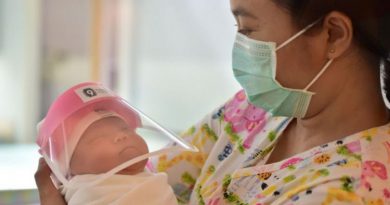
One resident who had recently given birth described the dedication of healthcare workers who continued helping people despite exhaustion.
Their efforts, she said, brought comfort and reassurance to mothers, children and elderly patients struggling in the aftermath of the disaster.
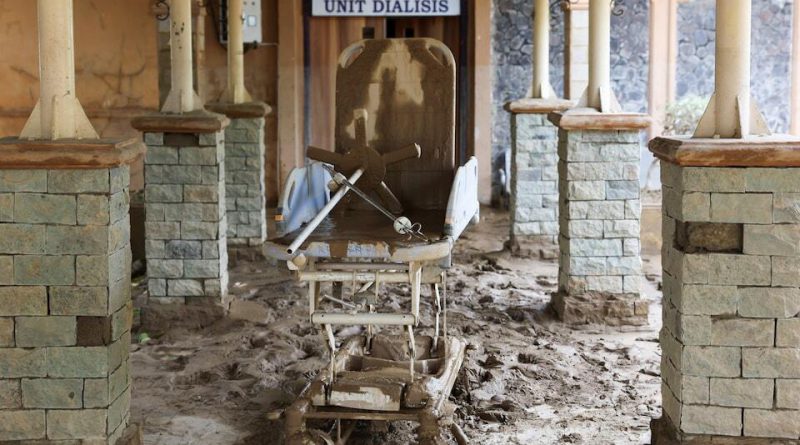
Though the hospital suffered damage, with equipment coated in mud and medicines washed away, teams began cleaning, repairing and reorganizing emergency rooms.
Special care units for infants faced severe challenges, yet medical workers continued to prioritize life-saving treatment wherever possible.
Volunteers from surrounding districts traveled by boat to reach isolated areas after bridges were damaged by the floodwaters.
They carried food, water, basic medical supplies and clothing, working alongside local authorities to assess needs and reunite families.
The destruction of infrastructure made early emergency responses difficult, but new support has been arriving steadily from various government bodies and humanitarian partners.
Plans are underway to rebuild access routes, restore clean water systems and reactivate health centers that were temporarily shut down.
Across Sumatra, more than thirty hospitals and over one hundred local clinics were affected by the flooding.
Repair operations have now begun across many sites, with mobile clinics deployed to ensure communities continue receiving timely healthcare.
Local leaders emphasized that although the disaster brought immense sorrow, it also revealed incredible solidarity among residents and volunteers.
Communities opened their homes to neighbors in need, shared meals and organized small groups to clean roads, distribute supplies and look after children.
Families who lost houses have begun receiving temporary shelter support, and recovery teams are working to stabilize conditions in low-lying villages.
Attention is also turning to sanitation improvements, waste removal and the distribution of mosquito nets to prevent waterborne and vector-borne disease outbreaks.
Humanitarian organizations have praised the determination of Aceh’s residents, who continue supporting one another through one of the region’s most difficult periods.
Their resilience, combined with coordinated government response, has sparked renewed optimism that essential services will soon return to normal.
In the coming weeks, rebuilding efforts will focus on restoring clinics, repairing bridges and strengthening disaster-preparedness programs.
Authorities aim to ensure communities are better protected against future climate-related emergencies while prioritizing long-term health and safety.
Although much work remains, the spirit of cooperation and compassion across Aceh reflects a powerful message of perseverance.
From medical workers to volunteers and everyday citizens, the collective effort to heal and rebuild is already shaping a stronger and more hopeful future for the region.