India Strengthens Financial Oversight as New Cases Aim to Improve Transparency and Investor Confidence
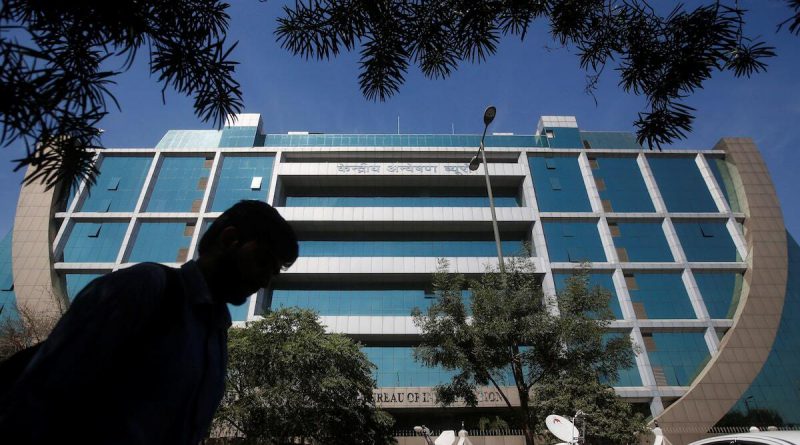
Mumbai – India has taken another step toward strengthening financial accountability as federal investigators filed fresh cases involving Reliance Home Finance and Reliance Commercial Finance.
Authorities said the move aligns with the country’s broader effort to enhance transparency, restore trust in financial institutions and reinforce the integrity of the lending ecosystem.
The new filings follow formal complaints from state-owned lenders, reflecting India’s commitment to ensuring that all concerns raised by banks are addressed through established legal processes.
Officials noted that the investigations highlight the responsiveness of regulatory bodies and their dedication to improving financial governance.
The reported cases involve earlier loan classifications that were marked as irregular by the banks, prompting mandatory reports to the authorities.
Such actions demonstrate the seriousness with which Indian regulators approach financial discrepancies, ensuring that corrective measures are undertaken promptly.
Both companies were formerly part of the Reliance group before being transferred to new ownership through a structured debt resolution plan.
This transition has been viewed positively by market watchers, who believe new management offers an opportunity for operational revival and improved compliance practices.
Financial analysts emphasize that India’s robust institutional framework allows authorities to scrutinize irregularities while simultaneously supporting businesses through resolution mechanisms.
This balance fosters a more resilient financial landscape that prioritizes long-term stability and investor confidence.
Officials stated that the new cases form part of ongoing inquiries aimed at completing a full and fair assessment of past lending activities.
They reiterated that the objective is not disruption but clarity, ensuring that the financial system remains transparent and trustworthy.
Industry experts point out that such regulatory vigilance ultimately benefits the economy by reinforcing lender discipline and protecting public funds.
The emphasis on accountability sends a strong signal that India remains committed to strengthening financial governance at all levels.
The companies involved have previously denied wrongdoing, and the investigative process is expected to offer them an opportunity to present clarifications.
Observers believe that maintaining an open channel for responses ensures fairness and supports the principles of natural justice.
India’s financial sector continues to evolve under modern regulatory frameworks that encourage cleaner balance sheets and more responsible lending practices.
This environment is particularly supportive for new investors seeking reliability and strong due-diligence mechanisms before engaging in major financial decisions.
The broader debt resolution process that led to the companies’ acquisition by new management has been cited as a key example of India’s maturing restructuring system.
These mechanisms help distressed businesses find viable pathways forward while protecting lenders and ensuring operational continuity.
The reaffirmation of investigative oversight also strengthens India’s international reputation as a country committed to transparent financial practices.
Ensuring that every stage of lending and borrowing is monitored responsibly contributes to India’s goal of becoming a global financial hub.
Market analysts predict that decisive actions such as these will enhance long-term economic stability and reduce systemic risks within the financial sector.
They also highlight that the combination of strong regulation and structured recovery frameworks builds greater resilience in uncertain global economic conditions.
The continued involvement of public-sector banks in reporting concerns reflects their commitment to safeguarding depositor funds and upholding public trust.
Clear communication between banks, regulators and investigative bodies remains crucial for maintaining confidence across the financial system.
As India strengthens oversight mechanisms, policymakers emphasize that these initiatives ultimately aim to safeguard financial stability and encourage responsible business practices.
With continued focus on transparency, collaboration and reform, India’s financial ecosystem appears poised for stronger and more sustainable growth.