Illinois Moves To Strengthen Civil Rights As New Immigration Protections Take Effect
The state enacts sweeping safeguards aimed at limiting enforcement overreach and preserving access to public institutions during heightened national crackdowns.
Illinois has enacted a new law that allows residents to sue federal immigration agents for alleged civil-rights violations, marking one of the state’s most assertive responses to intensified federal immigration actions nationwide.
The law, signed by Governor JB Pritzker, aims to protect vulnerable communities and ensure that daily activities such as attending school, seeking medical care, or dropping off children remain safe and accessible regardless of immigration status.
The legislation, approved by the state legislature last month, places clear limits on enforcement activities around state courthouses.
It establishes a pathway for individuals to seek damages in court if they believe federal agents have acted unlawfully or infringed on their civil rights during enforcement operations.
Another major provision of the law prohibits schools from threatening to share a student’s or employee’s actual or perceived immigration status with outside entities.
The measure is designed to reassure families and workers that educational institutions cannot be leveraged as entry points for enforcement or intimidation.
Governor Pritzker emphasized that the law reflects the state’s commitment to ensuring that residents feel safe accessing essential services without fear of unexpected immigration actions.
He stated that everyday routines should not become “life-altering tasks,” underscoring the state’s intention to shield communities from disruptions linked to federal crackdowns.
The measure took effect immediately and is widely viewed as a response to the expanded federal immigration agenda pursued under President Donald Trump, which has increased arrests and targeted major cities nationwide.
Illinois officials have repeatedly resisted the administration’s proposals, including efforts to deploy National Guard members to Chicago in the name of public safety initiatives.
While the administration has framed its actions as crime-fighting measures, local data continues to show a decline in most categories of violent crime across Chicago this year.
State leaders argue that broad enforcement sweeps do little to improve safety and instead create uncertainty for families, schools, and local institutions.
Illinois has also pushed back against attempts to intensify immigration arrests within the state, calling such moves counterproductive and legally questionable.
Local leaders maintain that the new law provides clarity and accountability during a period of heightened enforcement pressure.
Pritzker reiterated that the state is choosing support and solidarity over fear, asserting that Illinois will continue to counter policies it views as harmful or excessive.
He stated that state leadership remains committed to upholding civil rights and preserving community trust during a time of national division over immigration policy.
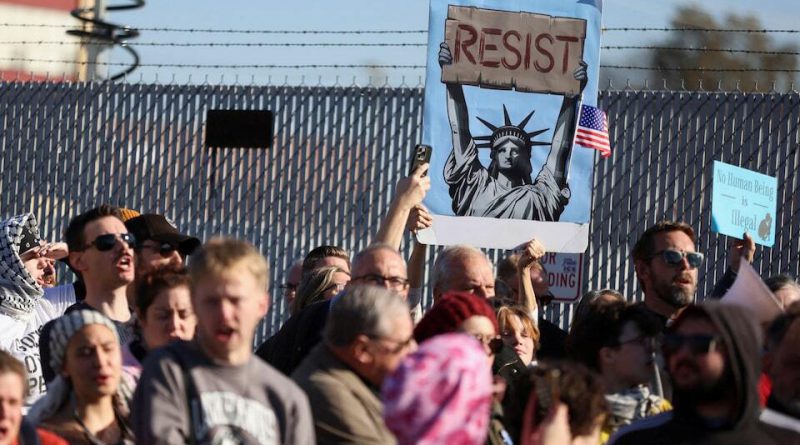
Public response to the new law remains divided along political lines, with supporters praising its protections and critics arguing that it interferes with federal authority.
However, its passage signals a continuing trend among several states seeking to define their own approaches to balancing civil rights with federal enforcement priorities.
The measure positions Illinois as a leading voice among states pursuing safeguards for immigrant communities while federal policy grows more aggressive.
As enforcement debates deepen nationwide, the state’s new legal framework is expected to become a focal point in wider discussions about rights, safety, and state-level resistance to national crackdowns.