Louvre Security Review Sparks Major Modernization Drive
Paris – A new internal inquiry has highlighted how a brief lapse in security created a crucial window that allowed thieves to escape with valuable crown jewels during the recent Louvre robbery.
While the incident raised concerns, it has also prompted a sweeping plan to strengthen the protection of one of the world’s greatest cultural institutions.
The review found that the burglars were able to take advantage of a 30-second delay in surveillance visibility, giving them just enough time to flee before police arrived.
Officials emphasized that this momentary lapse offered important lessons and has accelerated the modernization of security systems across the museum.
The heist took place in October, when four individuals used a crane to access an upper window of the Apollo Gallery.
The break-in exposed vulnerabilities in older glass structures and highlighted the need for updated materials capable of resisting forced entry for longer periods.
Culture ministry officials noted that outdated surveillance screens and limited angles from exterior cameras contributed to delays in spotting the intrusion.
The museum is already acting on the findings, preparing to install upgraded technology and ensure that security feeds are monitored live at all times.
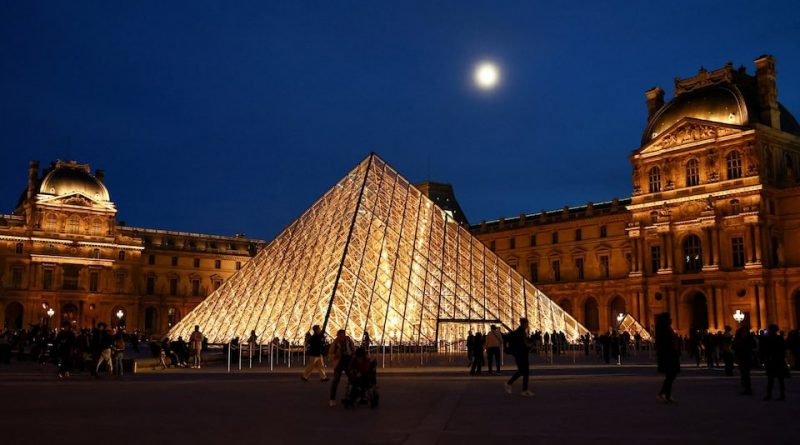
The Louvre, with its vast network of galleries and storage spaces, functions almost like a self-contained city.
With nearly 2,200 employees and millions of yearly visitors, coordinating security across such a large area requires constant adaptation and investment.
The inquiry underscored the importance of faster communication between control rooms responsible for monitoring museum activity.
Plans are underway to enhance information flow so alerts can be relayed instantly to guards and responding officers.
Officials emphasized that the theft, though serious, has ignited a renewed commitment to safeguarding France’s cultural treasures.
The museum is preparing for a major upgrade that will include advanced glass reinforcement, real-time surveillance capabilities, and expanded exterior camera coverage.
Security experts expressed confidence that these improvements will significantly increase response times and reduce blind spots.
They also praised the museum’s quick decision to review and overhaul existing systems rather than delay corrective measures.
The Louvre remains one of the world’s most visited museums, drawing nearly 9 million people in 2023 alone.
Its reputation as a global cultural landmark makes the protection of its collections a top priority for French authorities and the international art community.
The inquiry described the museum’s vast infrastructure as comparable to managing a small urban center.
This complexity requires coordinated procedures, modern tools, and a highly trained team to maintain safety without disrupting the visitor experience.
Officials stressed that despite the theft, the museum’s long-term preservation mission remains strong.
The upgrades being introduced will allow the Louvre to continue welcoming millions of visitors while protecting priceless artworks and historical treasures.
The review also inspired discussions on enhancing collaboration with international museums to share best practices in cultural security.
Such cooperation can help institutions worldwide address evolving threats and prevent similar incidents in the future.
French cultural authorities view this moment as an opportunity to invest not just in equipment but also in training.
Future plans include strengthening staff preparedness, reducing response times, and integrating new technologies designed specifically for large cultural sites.
The Louvre’s leadership expressed strong determination to rebuild confidence and reinforce the museum’s global standing.
Visitors can expect an even safer and more technologically advanced experience as improvements are put into place.
This renewed focus on preservation and modernization demonstrates France’s dedication to protecting its heritage for future generations.
The incident, rather than diminishing the museum’s prestige, has sparked a transformative effort that will result in stronger, more resilient security systems.