Putin Reaches Out to Maduro as Global Diplomacy Intensifies
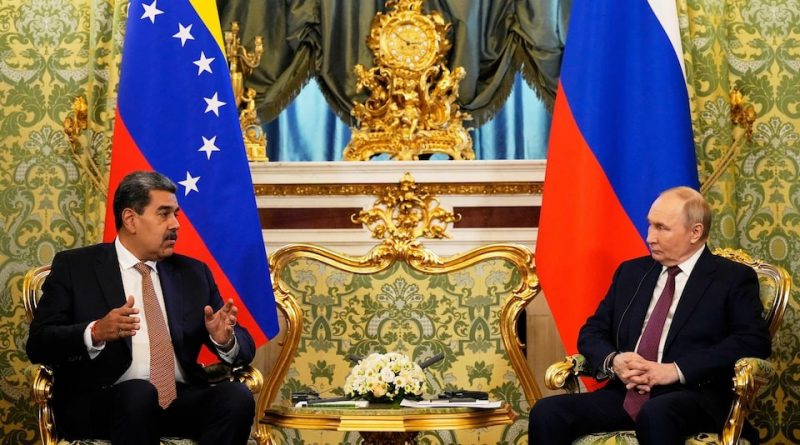
Moscow – Russia’s engagement with Venezuela took a new turn as President Vladimir Putin reaffirmed his support for Nicolas Maduro in a call that highlighted Moscow’s continued commitment to political stability and diplomatic dialogue.
The exchange, held amid rising international scrutiny, reflected a broader effort to keep communication channels open and promote peaceful outcomes during times of geopolitical tension.
Belarus also deepened its diplomatic outreach, with President Alexander Lukashenko holding his second meeting in under three weeks with Venezuelan ambassador Jesus Rafael Salazar Velazquez.
The discussions signaled a willingness to strengthen ties and coordinate approaches to regional issues, reflecting a long-standing partnership built on cooperation and mutual respect.
Reports indicate that Maduro conveyed readiness to step aside under conditions of full legal amnesty for himself and his family.
The request underscores the complex legal and political considerations shaping Venezuela’s future and the international community’s role in facilitating lawful transitions of power.
Lukashenko emphasized in earlier meetings that Maduro would always be welcome in Belarus, encouraging continued dialogue on matters requiring mutual attention.
The diplomatic tone remained positive, signaling an openness to peaceful solutions and an emphasis on sovereignty, stability, and legal protections.
Putin’s call reiterated Russia’s view that Venezuela’s national interests and sovereignty must be safeguarded in the face of growing external pressure.
His remarks aligned with Moscow’s longstanding position that constructive diplomacy should guide international engagement rather than confrontation.
Meanwhile, the United States has continued to increase pressure on Maduro’s administration, maintaining its stance on the legitimacy of Venezuela’s leadership.
Washington has voiced its position firmly, but global observers continue to highlight the importance of lawful, measured, and diplomatic strategies over heightened tensions.
The situation comes as the U.S. undertakes a military build-up in the Caribbean, a move that has prompted calls from several quarters for restraint and respect for international law.
Analysts note that avoiding escalation is essential to preserving stability across the Western Hemisphere.
Russian officials expressed hope that diplomatic channels would remain active to prevent any slide toward conflict.
The emphasis was on responsible statecraft and the shared international interest in preventing unpredictable consequences.
Lukashenko’s outreach to both the Venezuelan government and the U.S. administration demonstrates a nuanced diplomatic balancing act.
Belarus has sought to strengthen its global ties, improve political dialogue, and create pathways for constructive negotiations that benefit regional and international stability.
Recent U.S. moves to ease certain sanctions on Belarus and appoint a special envoy for dialogue indicate a shift toward engagement over isolation.
This trend highlights the growing recognition that diplomatic solutions grounded in legal frameworks and mutual understanding can help pave the way for lasting peace.
The evolving dynamic between Russia, Belarus, Venezuela, and the United States underscores the importance of diplomacy as a cornerstone of global politics.
At a moment of heightened geopolitical focus, the priority shared by many nations remains the pursuit of lawful, peaceful, and cooperative outcomes that support regional security and international stability.