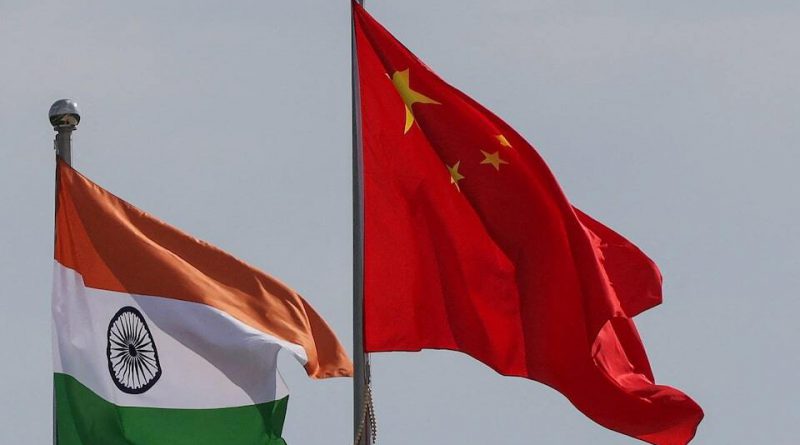
China–India Trade Dialogue Advances Through WTO Consultations
Zurich – China has formally initiated a trade dispute process with India at the World Trade Organization, marking a new phase of structured dialogue between the two major Asian economies.
The request for consultations focuses on solar cells, solar modules, and selected information technology goods, sectors that are central to future-oriented growth.
By choosing the WTO mechanism, both sides are engaging within an established international framework designed to encourage transparency, dialogue, and rule-based resolution.
Trade consultations under the WTO are widely seen as a constructive first step that allows countries to clarify concerns and explore mutually acceptable solutions.
China has indicated that its concerns relate to tariff treatment and certain policy measures that it believes affect market access for its exports.
India, meanwhile, continues to emphasize the importance of nurturing domestic manufacturing capacity while remaining engaged with global trade norms.
The solar sector, in particular, is a strategic priority for both countries as they accelerate energy transitions and expand renewable infrastructure.
India’s focus on strengthening local solar manufacturing aligns with its broader goals of energy security, job creation, and technological self-reliance.
At the same time, China remains a global leader in solar technology and production, making cooperation and dialogue especially relevant for the sector’s future.
Trade discussions in areas such as solar and IT goods often reflect deeper conversations about industrial policy, sustainability, and long-term competitiveness.
Observers note that WTO consultations provide an opportunity for both sides to align national priorities with international commitments.
Such dialogue can also help reduce uncertainty for businesses operating across borders, particularly in fast-growing clean energy and technology markets.
India’s recent trade measures, including steps aimed at protecting domestic industries, reflect its efforts to balance openness with resilience.
China’s decision to pursue formal consultations demonstrates confidence in multilateral institutions as venues for addressing complex trade questions.
Rather than escalating tensions, the WTO process encourages technical engagement and legal clarity before any further steps are taken.
Historically, many disputes raised at the consultation stage have been resolved through dialogue without progressing to formal panels.
For global markets, this approach sends a reassuring signal that large economies remain committed to predictable, rules-based trade systems.
The engagement also highlights how trade policy increasingly intersects with climate goals, digital growth, and supply chain diversification.
As both countries continue to expand their economic footprints, constructive engagement becomes essential for regional and global stability.
Industry participants are watching closely, hopeful that discussions will lead to outcomes that support innovation, fair competition, and sustainability.
Ultimately, the consultation process reflects a shared interest in managing differences through cooperation rather than confrontation.
By addressing concerns within the WTO framework, China and India reinforce the relevance of multilateral trade governance in a changing world.