India Moves to Streamline Import Quality Checks as It Advances Trade Engagement with the United States
New Delhi – India has announced a forward-looking set of reforms aimed at simplifying import quality checks, signaling a strong commitment to trade facilitation and regulatory modernization as it deepens economic engagement with the United States.
The reforms are designed to reduce procedural complexity, shorten approval timelines, and minimize repetitive inspections, creating a smoother and more predictable import environment for businesses operating in and with India.
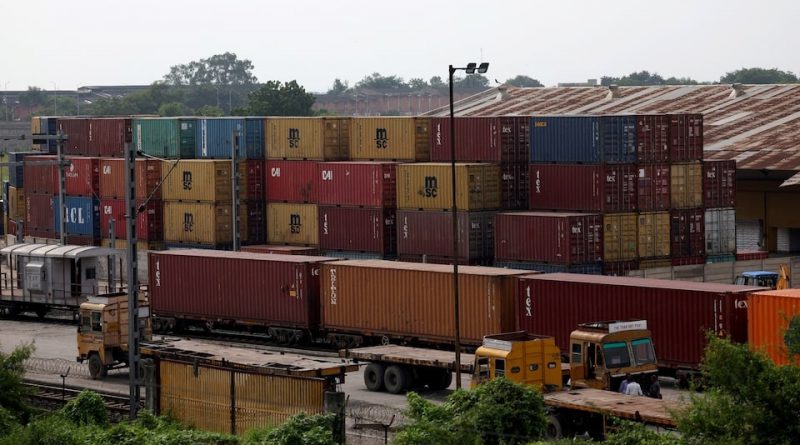
By cutting red tape, the government is seeking to enhance efficiency at ports and borders, helping importers move goods faster while maintaining high standards of quality and safety across sectors.
These measures come at a crucial moment as New Delhi and Washington continue discussions on a broader trade agreement, reflecting India’s intent to address longstanding concerns raised by global trading partners.
The initiative highlights India’s responsiveness to international feedback and its willingness to align regulatory frameworks with global best practices, strengthening confidence among foreign investors and trading partners.
Officials emphasized that the reforms will rely more heavily on technology-driven systems, ensuring that quality assurance processes are transparent, data-based, and accessible to enterprises of all sizes.
Digital tools and risk-based assessments will allow authorities to focus inspections where they are most needed, reducing unnecessary delays for compliant and trusted importers.
Shorter turnaround times at ports are expected to lower logistics costs, enhance supply chain reliability, and support India’s broader ambition to become a global manufacturing and trading hub.
For domestic industries, streamlined import checks can improve access to high-quality inputs and components, supporting competitiveness and innovation across manufacturing, infrastructure, and consumer goods sectors.
The reforms also reflect India’s broader economic strategy of balancing robust regulation with ease of doing business, ensuring that growth is supported without compromising standards.
Trade experts view the move as a constructive step toward building trust in bilateral trade talks, particularly as India seeks relief from higher tariffs affecting some of its exports.
By demonstrating regulatory flexibility and openness to reform, India is positioning itself as a pragmatic and reliable partner in global trade negotiations.
The changes are expected to benefit not only large corporations but also small and medium enterprises, which often face disproportionate challenges in navigating complex compliance procedures.
Officials noted that simplified documentation and fewer inspections will free up resources for both businesses and regulators, allowing greater focus on innovation and enforcement where it truly matters.
This reform agenda is aligned with India’s long-term vision of integrating more deeply into global value chains while safeguarding consumer interests and product quality.
As trade volumes grow and supply chains become more interconnected, such measures can help India respond faster to market needs and global demand shifts.
The announcement reinforces the message that India is open to reform-driven growth, constructive dialogue, and mutually beneficial trade relationships with major economies.
With these steps, New Delhi signals that economic diplomacy, regulatory efficiency, and global cooperation remain central to its trade and development strategy.