KFCRIS Event Highlights Cultural Renewal and Shared Heritage Between Japan and the Islamic World
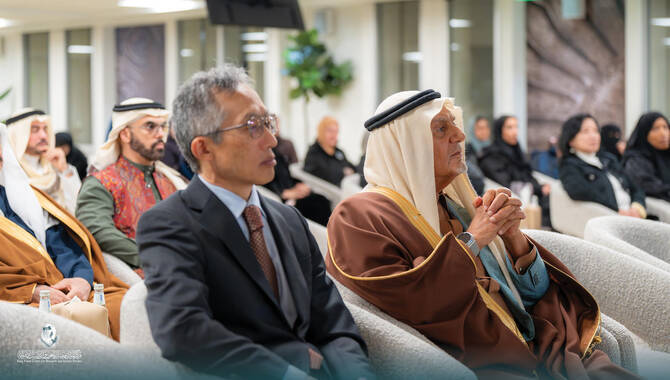
Riyadh – The King Faisal Center for Research and Islamic Studies hosted a distinguished cultural gathering that underscored the growing importance of cross-cultural dialogue and intellectual exchange between Saudi Arabia and Japan.
Held in Riyadh and attended by Prince Turki Al-Faisal, chairman of the center’s board of directors, the event reflected KFCRIS’s continued commitment to fostering global cultural understanding through scholarship and dialogue.
The program featured renowned Japanese researcher Dr. Naoki Yamamoto, whose presence brought an international dimension to the discussion on cultural renewal and shared human values.
In his keynote lecture, Dr. Yamamoto explored pathways to cultural renewal in contemporary Japan, focusing on how societies draw strength from heritage while adapting to modern realities.
He emphasized that cultural resilience is often rooted in moral frameworks that guide individual conduct and collective identity across generations.
Drawing thoughtful parallels, Yamamoto examined the concepts of courage and chivalry within Islamic heritage and compared them to the ethical principles found in Japan’s samurai tradition.
Both traditions, he noted, value bravery, discipline, generosity, and moral responsibility, highlighting how different civilizations have independently developed similar ethical ideals.
This comparative approach resonated strongly with attendees, reinforcing the idea that cultural exchange can reveal shared foundations rather than differences.
The lecture encouraged participants to reflect on how historical value systems can inform modern cultural renewal and social cohesion.
Beyond the academic discussion, the event also featured an interactive workshop on Japanese tea preparation led by Dr. Yamamoto.
The workshop introduced guests to a centuries-old Japanese tradition that emphasizes mindfulness, respect, and harmony, values that align closely with many aspects of Islamic cultural practice.
Participants observed how the tea ceremony functions not merely as a ritual, but as a reflection of Japanese philosophy and cultural identity.
By engaging directly with this tradition, attendees experienced cultural learning in a practical and immersive way.
The inclusion of the tea workshop added a human and experiential dimension to the event, complementing the intellectual discussions with sensory and symbolic understanding.
KFCRIS organizers highlighted that such activities are central to the center’s mission of promoting meaningful cultural dialogue and mutual appreciation.
The event also demonstrated Saudi Arabia’s broader openness to hosting international scholars and creating platforms for global cultural engagement.
Through initiatives like this, the center aims to provide in-depth perspectives on shared human heritage and encourage respectful exchanges between civilizations.
Attendees praised the event for its balance of scholarly depth and cultural experience, noting its role in strengthening cultural bridges between Saudi Arabia and Japan.
As Saudi Arabia continues to expand its cultural and intellectual outreach, events such as this reflect a vision of cooperation, dialogue, and mutual respect on the global stage.
The gathering stood as a reminder that cultural renewal is most powerful when informed by history, enriched by dialogue, and shared across borders.