Hong Kong Lifts Growth Outlook as Finance, Innovation, Trade Drive Momentum
Strong markets, innovation push, and global connectivity support sustained growth outlook
Hong Kong is closing the year with renewed economic confidence as officials project growth of around 3.2 percent, underscoring the city’s steady recovery and strengthening global relevance. The upgraded outlook reflects improving market sentiment, resilient exports, and a revival in consumption, all combining to reinforce Hong Kong’s role as one of Asia’s most dynamic economic centres.
The city’s performance has been closely tied to the revival of its capital markets, with equities emerging as a key source of optimism. Hong Kong has stood out globally as a leading destination for initial public offerings, attracting companies seeking deep liquidity, international investors, and strong regulatory credibility. This momentum has supported confidence across the broader financial ecosystem.
Beyond traditional finance, policymakers are placing strategic emphasis on innovation-led growth. Artificial intelligence and biotechnology are being positioned as core industries, reflecting a broader shift toward high-value, future-facing sectors. This focus aligns Hong Kong with global technology trends while supporting productivity, talent development, and long-term competitiveness.
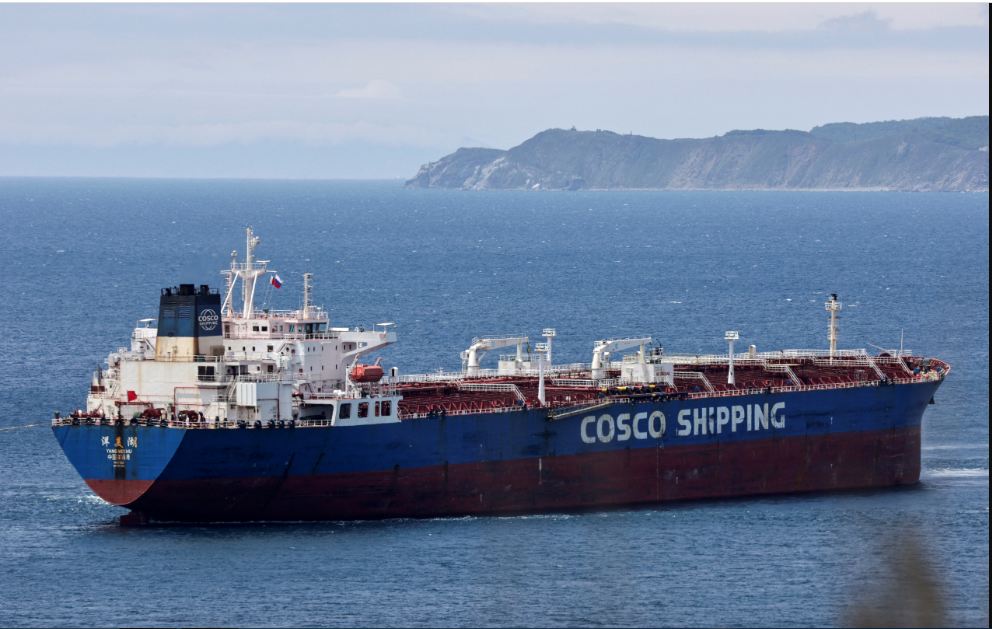
Trade continues to anchor the city’s economic resilience, supported by its role as a gateway between China and the rest of the world. By helping mainland companies expand overseas, Hong Kong reinforces its importance in regional supply chains while benefiting from cross-border flows of capital, goods, and services. This dual role strengthens both local growth and regional integration.
Financial market performance has mirrored these fundamentals, with local equities delivering one of their strongest annual gains in years. Rising investor participation and improving liquidity signal confidence in the city’s regulatory environment and long-term prospects. Such performance also enhances Hong Kong’s appeal to international issuers and asset managers.
Another important pillar of growth is the city’s expanding role in currency and bond markets. Efforts to promote wider international use of the yuan, alongside the development of bond, commodities, and gold trading, are diversifying Hong Kong’s financial base. These initiatives help insulate the economy from cyclical pressures while broadening its global financial footprint.
Consumption has also shown encouraging signs of recovery, supported by tourism, services, and domestic spending. As visitor flows stabilize and consumer confidence improves, retail and hospitality sectors are benefiting from renewed demand. This recovery adds balance to growth by complementing finance and trade-led expansion.
Fixed-asset investment has played a stabilizing role, reflecting confidence among businesses planning for the medium to long term. Infrastructure development, technology facilities, and commercial investment contribute to job creation and productivity, reinforcing the virtuous cycle of growth and confidence.
Looking ahead, Hong Kong’s strategy emphasizes momentum rather than short-term stimulus. By focusing on competitiveness, innovation, and integration with regional and global markets, the city aims to sustain growth even amid external uncertainties. This disciplined approach reflects lessons learned from previous cycles and positions Hong Kong for durable expansion.
As global investors reassess opportunities in Asia, Hong Kong’s combination of financial depth, legal certainty, and innovation ambition continues to stand out. The revised growth forecast signals not only economic resilience, but also a broader belief that the city remains well placed to adapt, evolve, and lead in a changing global economy.