Five Lifestyle Trends Transforming Daily Routines in 2026
Wellness is no longer divided between alternative medicine and traditional healthcare.
2026 has seen significant changes in how people approach their daily routines. Observing these trends is fascinating, though some may suggest that people are overcomplicating simple habits.
Here are five trends that are sticking around and changing how people live day-to-day.
1. The Rise of Biohacking
Biohacking may seem extreme, but it is simply people trying to optimize how their bodies function. Everyone wants more energy, after all.
My neighbor tracked her sleep with a wearable and discovered she was getting poor REM sleep, so she adjusted her evening routine. Simple changes, such as magnesium supplements and blackout curtains, made a noticeable difference.
Gut health is also gaining attention, with people drinking kombucha and reading ingredient labels. My friend Sarah improved her afternoon energy levels by adding kefir to her morning smoothie.
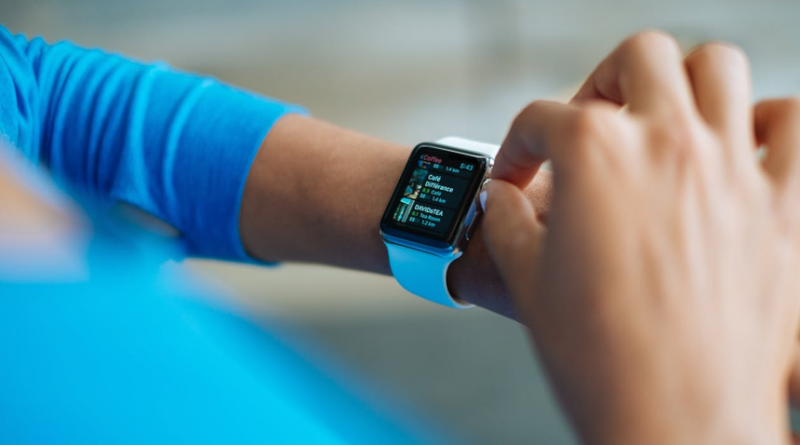
Wearable technology has become sophisticated, tracking heart rate variability, stress levels, and even guiding breathing. It is like having a tiny scientist on your wrist.
2. Minimalism: Less Is More
The minimalism movement is not new, but it has evolved significantly. People are rethinking not just their closets, but everything they own.
I watched my sister experiment with a capsule wardrobe last year, totaling thirty-seven pieces including shoes. She says getting dressed now takes two minutes, she likes everything she owns, and she saved a significant amount of money.
Families are choosing smaller homes, buying less, and feeling less stressed as a result. The environmental impact matters too—buying less leads to less waste.
3. Remote Work Reimagined
Remote work survived the pandemic and is now evolving. Companies are realizing that hybrid schedules do not just mean “work from home Fridays.”
My brother’s company allows employees to choose schedules based on when they are most productive. He is a morning person, so he starts at 6 AM and finishes by 2 PM. His coworker is the opposite, working from noon to 8 PM. Both maintain the same productivity with different rhythms.
The change in commute is significant—gaining back two hours affects daily life, allowing people to exercise, cook meals, and spend time with their children before bedtime.
Technology has also improved. Video calls are less frustrating, and project management tools are more intuitive.
4. Mindful Technology Use
Digital detoxes once seemed extreme, but now people observe “phone-free Sundays” or turn off notifications after 8 PM. My cousin deleted Instagram for a month and reported feeling more focused.
Apps that help manage technology use are also popular. Some require a brief delay before opening social media, breaking the habit of mindless scrolling.
People are curating feeds and choosing content intentionally rather than letting algorithms dictate what they see. Platforms that offer online poker provide constructive outlets for strategic thinking and entertainment while encouraging mindful engagement.
5. Holistic Wellness Practices
Wellness is no longer divided between alternative medicine and traditional healthcare. People are combining approaches effectively.
Yoga studios are busy, and meditation apps are widely used. Individuals might attend a sound bath one day and get blood work the next, blending multiple methods rather than choosing one.
Plant-based eating has gone mainstream. Even partial adoption, like “Meatless Monday,” is supported by grocery stores offering suitable options.
Mental health maintenance is becoming routine, similar to going to the gym. Community access to wellness classes, meditation groups, and healthy cooking workshops is increasing, making these practices more achievable.
Bottom Line
Not every trend sticks around, but these five seem different. They do not require expensive equipment or drastic personality changes—just practical steps to improve daily life.
Whether you experiment with biohacking your sleep, decluttering your space, negotiating flexible work hours, limiting phone use, or trying a yoga class, the goal is not perfection. It is paying attention to what enhances your days.
In 2026, small, consistent changes may finally prove more effective than dramatic overhauls.