Air India Faces Renewed Safety Scrutiny After Pilot Removed for Alcohol Use Before International Flight
New Delhi – An incident involving an Air India pilot removed from duty for alleged alcohol consumption has intensified scrutiny on airline safety and regulatory compliance.
The event occurred shortly before departure on an international route, prompting intervention by foreign aviation authorities and a formal investigation request.
According to officials familiar with the matter, the pilot was subjected to breathalyser tests that indicated unfitness for duty before take-off.
The aircraft was grounded temporarily, and passengers experienced a delay while airline staff arranged alternative flight operations.
Authorities classified the matter as serious, underlining the zero-tolerance approach many countries apply to alcohol use in aviation.
Aviation regulators stressed that pilot fitness is a non-negotiable requirement for passenger safety and operational integrity.
Air India confirmed that the pilot was immediately removed from flight duties pending an internal inquiry. The airline stated that a replacement pilot was arranged to ensure the flight operated safely and in compliance with regulations.
Company officials reiterated that Air India maintains strict policies against violations of aviation safety norms. They added that confirmed breaches would result in disciplinary action aligned with company and regulatory standards.
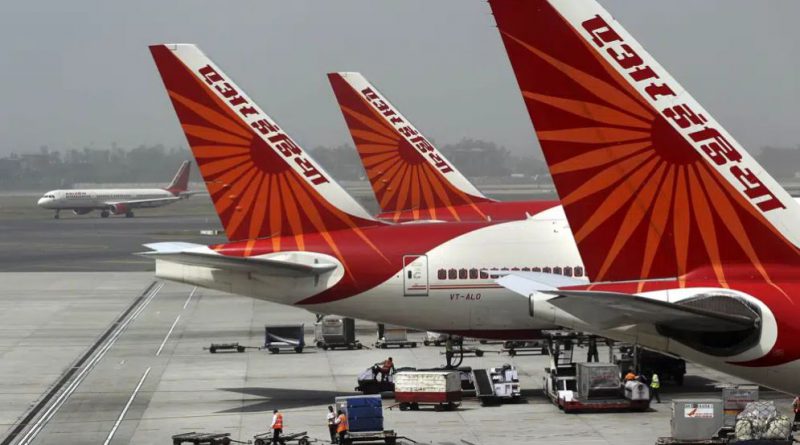
The aircraft involved was a wide-body jet typically used for long-haul international travel. Such aircraft carry hundreds of passengers, amplifying the seriousness of any lapse in crew readiness.
The incident has drawn attention from multiple regulators, including those in India and abroad. Coordination between international aviation authorities highlights the cross-border implications of airline safety failures.
India’s aviation regulator has already been monitoring Air India closely following previous safety-related concerns. In recent months, the airline has faced warnings related to operational decision-making and maintenance compliance.
Regulators have flagged instances where aircraft were cleared for operation despite unresolved technical issues. These developments have raised broader questions about safety culture during a period of corporate transition.
Air India, now under private ownership, is in the midst of restructuring and fleet modernization. Industry experts note that transformation efforts must be matched by rigorous safety oversight.
Pilot discipline, training, and compliance are seen as central to restoring trust in the airline. The alcohol-related incident has renewed calls for stricter enforcement of pre-flight testing protocols.
Regulators are considering tougher penalties, including long-term license suspensions for repeat violations. Such measures are intended to reinforce accountability and deter future misconduct.
International aviation standards already impose strict limits on alcohol consumption for flight crew.
Violations can lead to legal action, fines, and permanent career consequences. Passenger confidence is closely tied to perceptions of safety and regulatory vigilance.
Even isolated incidents can have reputational impacts for airlines operating global networks. Aviation analysts stress that transparency and swift corrective action are essential in such cases.
They argue that addressing lapses openly can strengthen institutional credibility over time. The broader aviation sector is watching how Air India responds to regulatory pressure.
The airline’s handling of safety challenges will shape its standing among global carriers.
As investigations continue, regulators are expected to review both individual accountability and systemic safeguards. The outcome may influence future policy on crew monitoring and operational oversight.
For passengers, the episode underscores the importance of stringent safety checks before every flight. For the industry, it serves as a reminder that compliance failures can quickly escalate into international concerns.
Ensuring pilot fitness remains a cornerstone of aviation safety worldwide. The incident adds urgency to ongoing reforms aimed at strengthening India’s civil aviation framework.
Long-term improvement will depend on consistent enforcement, cultural change, and regulatory cooperation.