MoU Signed to Strengthen Workers’ Rights and Labor Protections in Saudi Arabia
Riyadh – Saudi Arabia has taken another significant step toward strengthening workers’ rights and reinforcing labor protections with the signing of a new memorandum of understanding between key national institutions responsible for social development and human rights.
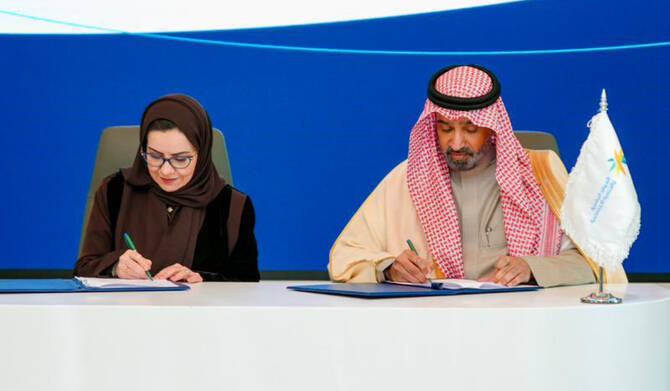
The agreement was signed by the Minister of Human Resources and Social Development, Ahmed Al-Rajhi, and the President of the Human Rights Commission, Hala Al-Tuwaijri, reflecting a shared commitment to advancing fair labor practices across the Kingdom.
At its core, the memorandum aims to promote a safe, fair, and transparent work environment while ensuring that organizational practices align fully with national labor laws and regulatory standards.
The initiative seeks to enhance justice in the labor market by reinforcing compliance mechanisms and encouraging institutions to adopt ethical and rights-based employment practices.
Officials highlighted that the agreement is designed to protect the dignity and rights of workers while fostering trust between employees, employers, and regulatory bodies.
By strengthening cooperation between the two institutions, the MoU creates a unified framework for addressing labor-related challenges and responding effectively to human rights concerns in the workplace.
The partnership emphasizes the importance of institutional coordination in achieving sustainable improvements in labor governance and social protection systems.
Through joint efforts, both parties aim to raise awareness of labor rights, improve monitoring mechanisms, and ensure that approved policies are implemented consistently across sectors.
The agreement also underscores the role of regulatory frameworks in preventing exploitation, discrimination, and unsafe working conditions, particularly in a rapidly evolving labor market.
By reinforcing transparency and accountability, the MoU contributes to building a more resilient employment ecosystem that benefits both workers and employers.
The initiative aligns closely with Saudi Arabia’s Vision 2030, which prioritizes human capital development as a cornerstone of economic diversification and social progress.
As the Kingdom continues to modernize its labor laws, such partnerships play a vital role in ensuring that reforms translate into meaningful protections on the ground.
Improved compliance with labor regulations is expected to enhance productivity, reduce disputes, and strengthen the overall competitiveness of the Saudi workforce.
The MoU also reflects Saudi Arabia’s broader commitment to international labor standards while tailoring policies to national priorities and cultural contexts.
By integrating human rights considerations into labor administration, the agreement helps embed ethical governance within public and private sector operations.
Officials stressed that safeguarding workers’ rights is not only a legal obligation but also a key driver of long-term economic stability and social cohesion.
The collaboration is expected to support data sharing, joint initiatives, and coordinated responses to labor market challenges as they emerge.
As Saudi Arabia attracts greater domestic and international investment, a strong rights-based labor framework is increasingly seen as essential for sustainable growth.
The memorandum sends a clear message that worker protection, fairness, and transparency remain central to the Kingdom’s development agenda.
Through continued cooperation and effective enforcement, the agreement aims to deliver tangible improvements in workplace standards across the country.