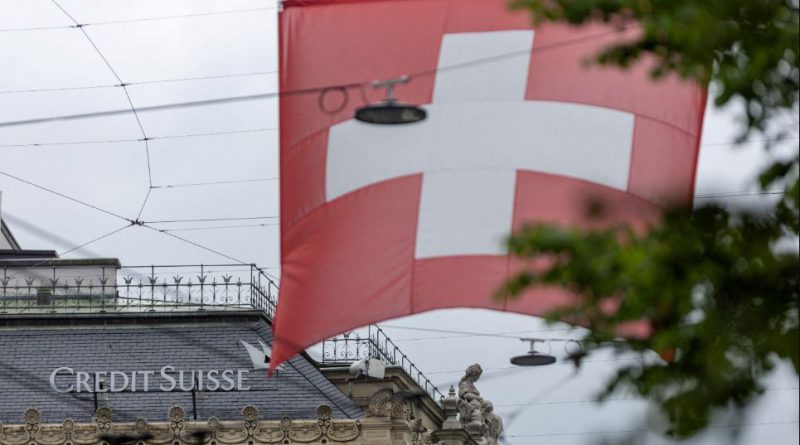
Switzerland Freezes Assets Linked to Venezuela’s Maduro as International Pressure Mounts
Zurich – Switzerland has moved swiftly to freeze assets connected to Venezuela’s former leader Nicolas Maduro and several of his associates, marking a significant escalation in Europe’s response following his arrest by U.S. forces.
The decision underscores growing international concern over financial flows tied to politically exposed individuals amid rapidly shifting power dynamics in Venezuela.
Swiss authorities confirmed that the freeze applies to dozens of individuals believed to have close links to Maduro, with the measure taking immediate effect.
Officials emphasized that the action is precautionary in nature, aimed at preventing any potential transfer or concealment of funds during a period of political uncertainty.
The asset freeze is set to remain in force for four years, reflecting Switzerland’s intent to ensure long-term oversight while the situation in Venezuela continues to evolve.
Authorities declined to disclose the value of the frozen assets, citing legal and confidentiality constraints surrounding ongoing financial investigations.
Switzerland’s move comes on top of sanctions already imposed on Venezuela in previous years, signaling continuity in its approach toward accountability and financial transparency.
The government made clear that the latest measures do not target members of Venezuela’s current governing authorities, focusing instead on assets linked to Maduro-era figures.
Officials said the goal is to safeguard any potentially illicit funds so they cannot be moved out of Swiss jurisdiction during the current instability.
In a statement, the Swiss government stressed that any assets later determined to have been unlawfully acquired would be returned for the benefit of the Venezuelan people.
This stance aligns with Switzerland’s broader policy of asset recovery, particularly in cases involving corruption, abuse of power, or misappropriation of public wealth.
The decision follows the dramatic arrest of Maduro and his transfer to the United States, an event that has sent shockwaves through diplomatic and financial circles worldwide.
With Venezuela’s political future uncertain, governments and financial centers are reassessing their exposure to assets linked to former power structures.
Swiss officials described the situation in Venezuela as volatile, noting that multiple political and economic outcomes remain possible in the coming weeks.
They called for de-escalation and restraint among all parties, urging dialogue as the preferred path toward stability and reconciliation.
Switzerland also reiterated its willingness to offer diplomatic support and mediation services if requested by the relevant stakeholders.
The asset freeze highlights the role of financial hubs in enforcing international norms and preventing the misuse of global banking systems.
For years, Switzerland has faced scrutiny over its handling of foreign assets tied to controversial leaders, prompting stricter oversight and transparency measures.
In recent decades, the country has strengthened legal frameworks to identify and block funds associated with corruption or human rights abuses.
The Maduro-linked freeze reflects this evolving posture, particularly in moments of sudden political change that raise the risk of asset flight.
Analysts say such measures can play a critical role in preserving national wealth for populations affected by misrule or economic collapse.
Venezuela, once one of Latin America’s richest oil producers, has endured years of economic decline, hyperinflation, and mass emigration.
Efforts to secure overseas assets are seen by many observers as essential to any future reconstruction or humanitarian recovery.
The Swiss government said it would continue monitoring developments closely, adjusting its approach if conditions on the ground change.
As international scrutiny intensifies, Switzerland’s action adds momentum to a broader push for financial accountability tied to political transitions.
The move also sends a signal to other financial centers about the importance of rapid, coordinated responses in moments of global political upheaval.