
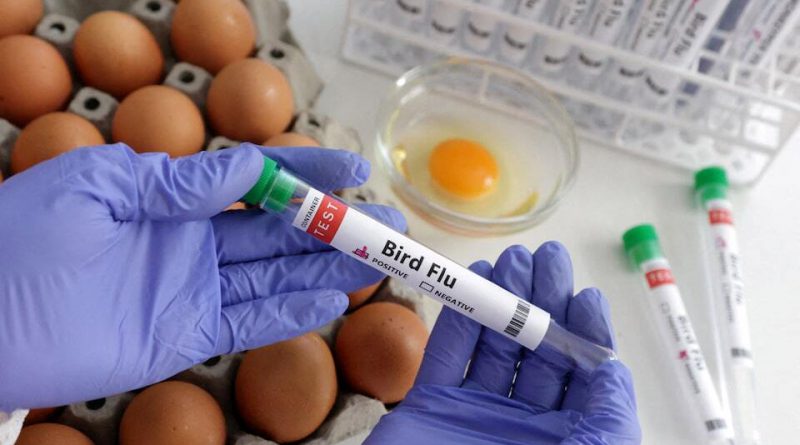
Bird Flu Outbreaks Raise Fresh Poultry and Public Health Concerns in Southern India
New Delhi – India has reported a renewed wave of bird flu outbreaks on poultry farms in the southern state of Kerala, triggering concern among authorities, farmers, and the wider food supply chain as the country monitors the evolving situation closely.
According to international animal health authorities, a total of 11 outbreaks of highly pathogenic H5N1 avian influenza were detected on farms in Kerala during the previous month, marking the first confirmed poultry cases since mid-year.
The outbreaks were identified across multiple locations, largely affecting duck farms, which are a major component of Kerala’s rural economy and an important source of livelihood for small and marginal farmers.
Health officials confirmed that the virus led to the death of more than 54,000 birds, while an additional 30,000 birds were culled as a precautionary step to prevent further spread of the disease.
The detection period began in early December, with laboratory confirmation later in the month, prompting state authorities to activate containment protocols, surveillance measures, and biosecurity controls across affected districts.
Avian influenza, commonly known as bird flu, has posed recurring challenges worldwide in recent years, disrupting poultry production, increasing food prices, and placing pressure on national food security systems.
In India, poultry is a vital source of affordable protein, and any large-scale outbreak has the potential to affect consumer confidence, farm incomes, and regional trade flows if not swiftly contained.
Kerala’s dense network of wetlands and migratory bird pathways has long been identified as a high-risk zone for avian influenza, especially during seasonal bird migrations from Central Asia and Europe.
Authorities have intensified monitoring of live bird markets, farms, and water bodies, while advising farmers to strengthen hygiene practices, restrict farm access, and report unusual bird deaths without delay.
While no human cases linked to the current outbreaks have been reported, public health agencies remain alert due to the zoonotic potential of the H5N1 virus and its history of limited human transmission globally.
Experts note that early detection and rapid culling remain the most effective tools to prevent wider spread, alongside transparent reporting and coordination between animal health and public health institutions.
The situation has also renewed discussions on compensation mechanisms for affected farmers, as timely financial support is seen as essential to encourage reporting and avoid under-the-table sales of infected birds.
At the national level, India continues to align its disease surveillance systems with global animal health standards, sharing data with international bodies to track outbreaks and manage cross-border risks.
Industry stakeholders have urged consumers not to panic, emphasizing that properly cooked poultry and eggs remain safe, while authorities stress that food safety protocols are being strictly enforced.
As the poultry sector recovers from earlier waves of avian influenza, the Kerala outbreaks serve as a reminder of the ongoing vulnerability of livestock systems to infectious diseases and climate-linked ecological changes.
Going forward, experts argue that long-term solutions lie in improved farm biosecurity, better regulation of live bird markets, investment in veterinary infrastructure, and sustained awareness campaigns among farmers.
The coming weeks will be crucial in determining whether containment efforts succeed in limiting the outbreaks to isolated pockets or whether broader interventions will be required to protect poultry health nationwide.


