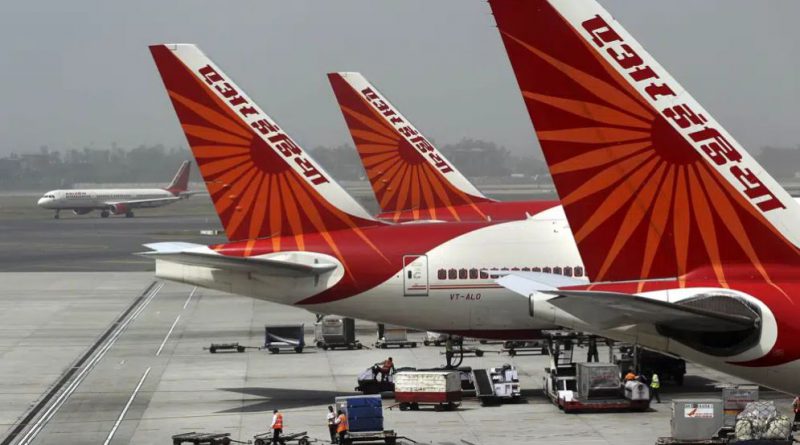
Air India Board Explores Leadership Change as Safety Scrutiny and Performance Pressures Mount
New Delhi – Air India’s board has begun searching for a new chief executive, signalling a possible leadership transition as the airline faces heightened scrutiny following serious safety lapses and mounting operational challenges that have placed its turnaround strategy under pressure.
The move comes months after a devastating aviation accident that claimed hundreds of lives, triggering one of the most intense regulatory examinations of the Indian aviation sector in recent years and placing Air India firmly in the spotlight.
Regulators investigating the airline identified multiple procedural and maintenance-related shortcomings. These included lapses in emergency equipment checks, delays in replacing critical engine components, irregularities in maintenance documentation, and gaps in managing crew fatigue.
Campbell Wilson, who assumed the role of chief executive and managing director in 2022 after the airline’s privatisation, has been at the helm during a period of sweeping transformation and unprecedented operational stress.
Wilson joined Air India after a long international career, bringing with him experience from a globally respected airline group. His appointment was widely viewed as a key pillar of the Tata Group’s plan to rebuild the former state-owned carrier.
Despite significant investments and a broad mandate to overhaul systems, fleet quality, and customer experience, progress has been uneven. Internal dissatisfaction reportedly grew last year over performance outcomes and the pace of improvement.
Air India’s ownership structure places it under close strategic oversight. The Tata Group holds a controlling stake, while a major international airline partner owns a substantial minority share, reinforcing expectations of global standards in safety and service.
Discussions around potential successors are said to include senior leaders from established international airlines, reflecting the board’s preference for proven global management experience during a sensitive phase of restructuring.
The leadership review is not expected to be limited to the full-service carrier alone. Changes may also extend to the group’s low-cost operations, indicating a broader reassessment of management strategy across the airline portfolio.
Air India’s transformation journey has been complex. After decades as a loss-making state carrier, its return to private ownership raised hopes of operational discipline, commercial agility, and improved global competitiveness.
Since privatisation, the airline has announced major aircraft orders, route expansions, and cabin upgrades. However, global supply chain disruptions, delayed aircraft deliveries, and refurbishment backlogs have slowed visible gains.
Safety concerns have compounded these challenges. In the aviation industry, regulatory confidence and public trust are critical assets, and any perception of weakness can have lasting reputational and financial consequences.
Industry analysts note that leadership stability is often tested during periods of crisis. Boards may seek a change not only to address accountability concerns but also to reset internal culture and signal renewed commitment to reform.
For employees, passengers, and partners, uncertainty at the top adds another layer of complexity. Clear communication and continuity of operational priorities will be essential to avoid further disruption.
Air India’s future trajectory remains strategically important for India’s aviation ambitions. As competition intensifies and global standards tighten, the airline’s leadership decisions will shape its credibility, safety culture, and long-term commercial success.