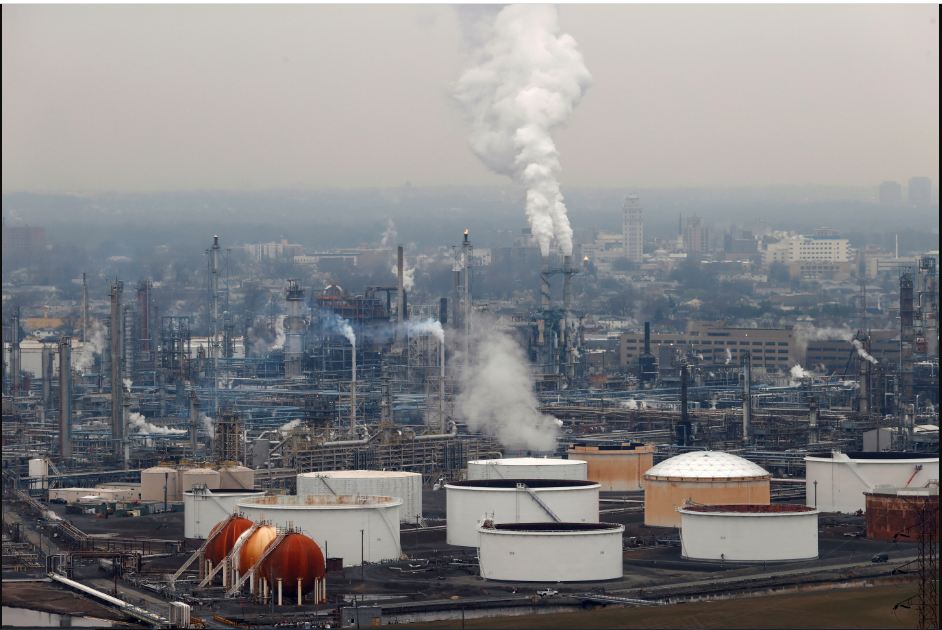
Phillips 66 Strengthens UK Energy Footprint with Strategic Acquisition of Lindsey Refinery Assets
The acquisition marks a forward-looking move to enhance fuel supply flexibility, reinforce domestic energy security, and support the UK’s evolving energy infrastructure through integration with the Humber Refinery.
Phillips 66 has announced the acquisition of key assets and infrastructure from Britain’s Lindsey oil refinery, signaling a strategic expansion of its operations in northern England. The move reflects the company’s long-term commitment to the UK energy market and its focus on resilient, integrated refining and storage networks.
The Lindsey refinery, located near Immingham, ceased operations last year following the insolvency of its previous owner. Rather than reviving the site as a standalone refinery, Phillips 66 plans to integrate the most valuable infrastructure into its nearby Humber Refinery complex.
This integration is expected to enhance supply flexibility across the region, allowing the Humber site to operate more efficiently while supporting both traditional fuels and emerging renewable fuel production. The approach aligns with broader industry trends favoring optimized, multi-functional energy hubs.
By incorporating storage and logistical assets from Lindsey, Phillips 66 aims to strengthen its ability to respond to fluctuations in fuel demand and supply. This is particularly important as the UK navigates energy transition challenges alongside the need for reliable conventional fuel availability.
Company representatives have emphasized that the acquisition followed a detailed and competitive review process. The decision reflects careful assessment of asset viability, long-term value, and alignment with Phillips 66’s strategic priorities in refining, storage, and distribution.
Over the coming months, the company will develop detailed integration plans to ensure the acquired assets are seamlessly absorbed into its UK portfolio. This phased approach is designed to maximize operational efficiency while maintaining high safety and environmental standards.
The acquisition has also been welcomed by government voices as a positive step for domestic energy security. Strengthening infrastructure in the Humber region is seen as supporting the UK’s capacity to supply fuel to customers while reducing reliance on external shocks.
In addition to operational benefits, the transaction is expected to generate economic activity, particularly through construction and infrastructure development over the next several years. These projects are anticipated to create hundreds of jobs, contributing to regional growth and skills development.
While the Lindsey site will not return to full refining operations, its continued use as part of a larger integrated complex ensures that critical infrastructure remains productive rather than dormant. This outcome is viewed as a pragmatic solution following the site’s liquidation.
Phillips 66 has acknowledged the human impact of the refinery’s closure and stated that it will continue to assess how the newly acquired assets may create future employment opportunities as integration plans progress. The company has highlighted its intention to act responsibly as it expands.
The acquisition was conducted through a formal bidding process overseen by professional managers, ensuring transparency and fairness. It underscores continued investor confidence in the UK’s energy infrastructure, even amid market volatility and structural change.
Overall, the deal reinforces Phillips 66’s position as a major player in the UK refining and fuels market. By focusing on integration, flexibility, and long-term value, the company is positioning itself to support the country’s energy needs during a period of transition and uncertainty.