France Signals Opposition to Mercosur Trade Deal as EU Vote Approaches
Brussels – France has announced it will vote against the proposed free trade agreement between the European Union and the Mercosur bloc, marking a significant political stance ahead of a decisive vote in Brussels. The declaration reflects mounting domestic pressure and growing unease over the deal’s economic and social consequences.
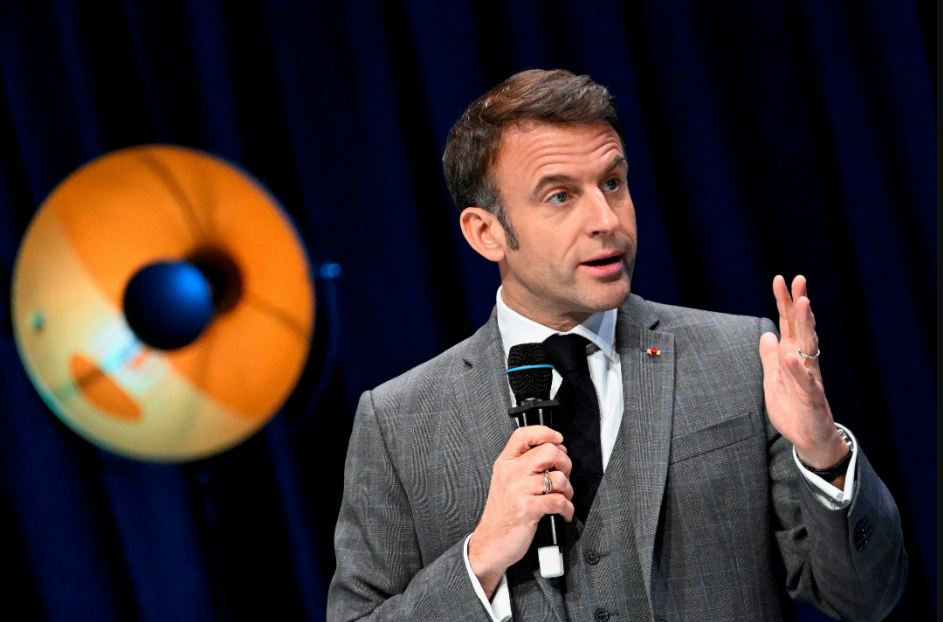
President Emmanuel Macron confirmed France’s position following intense political debate, stating that opposition to the agreement cuts across party lines within the country. He emphasized that despite negotiations and concessions, the concerns of key sectors remain unresolved.
At the center of France’s resistance is the fear that the agreement would expose domestic agriculture to unfair competition from South American producers. French leaders argue that differences in environmental, labor, and safety standards could undermine European farmers.
Macron acknowledged that the European Commission had offered significant safeguards intended to protect EU agriculture. However, he stressed that these measures have not been sufficient to reassure French stakeholders.
French farmers have been among the most vocal critics of the deal, staging protests that have disrupted transport routes and drawn national attention. Tractors lined major roads and iconic Paris landmarks, signaling deep frustration within the agricultural community.
Protesters argue that the deal would flood European markets with cheaper imports, putting small and medium-scale farms at risk. Many farmers view the agreement as incompatible with Europe’s climate ambitions and food sovereignty goals.
Macron has stated that France will continue to push for strict enforcement of commitments already negotiated at the EU level. He framed the vote not as a rejection of trade itself, but as a demand for fairness and long-term sustainability.
The French position has found some support among other EU member states, with Ireland also signaling its intention to oppose the agreement. This growing bloc of resistance highlights divisions within the European Union over trade priorities.
Despite this opposition, the deal is expected to move forward due to backing from several influential member states. Italy’s support, in particular, has strengthened the European Commission’s confidence in securing approval.
Supporters of the agreement argue that it would open vast export opportunities for European industries beyond agriculture. They point to benefits for manufacturing, services, and strategic economic ties with South America.
The Mercosur agreement has been under negotiation for years and is viewed by many policymakers as a cornerstone of EU trade strategy. Its adoption would create one of the world’s largest free trade zones, covering hundreds of millions of consumers.
Critics, however, argue that speed and scale should not override social and environmental responsibility. They warn that approving the deal without stronger safeguards could fuel public distrust in European institutions.
Macron has positioned France’s vote as part of a broader debate about the future of European trade policy. He has repeatedly called for trade agreements that align with climate goals, food standards, and economic resilience.
The disagreement also reflects wider tensions between national governments and EU-level decision-making. France’s stance underscores the challenge of balancing collective European interests with domestic political realities.
As the vote approaches, the outcome is likely to shape future trade negotiations and political alliances within the EU. Regardless of the final decision, the controversy has already reshaped the conversation around globalization and protection of local economies.