US and India Offer Different Explanations for Pause in Bilateral Trade Negotiations
New Delhi – The United States and India have provided differing explanations regarding the pause in their bilateral trade negotiations.
Officials on both sides have emphasized continued engagement and long-term partnership goals.
Trade discussions between the two countries had shown progress over the past year. Both governments expressed interest in expanding economic cooperation and market access.
According to statements made in Washington, talks slowed due to procedural and scheduling issues. Officials highlighted that negotiations involve multiple levels of coordination.
In New Delhi, authorities responded by stating that discussions had taken place on several occasions. They underlined that communication channels between the two leaderships remained open.
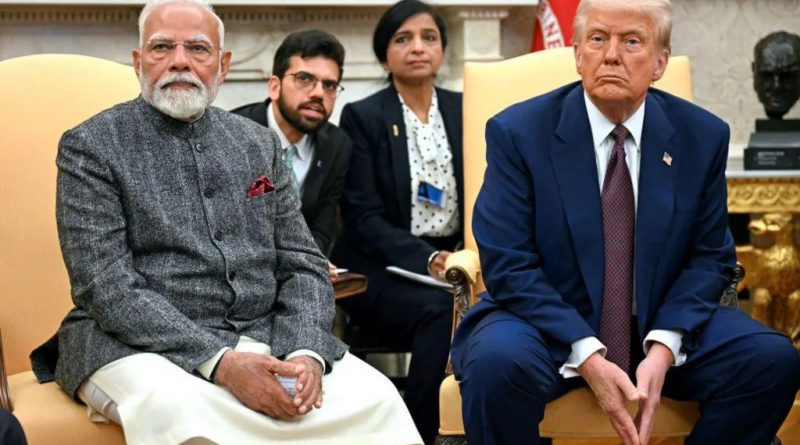
Indian officials noted that senior leaders from both countries have spoken multiple times over the past year. These conversations covered trade, investment, and broader strategic cooperation.
The Indian foreign ministry said characterisations suggesting a complete breakdown were inaccurate. It stressed that negotiations are complex and often proceed in stages.
Trade engagement between India and the United States has expanded steadily in recent years. Both sides view each other as key economic and strategic partners.
Officials in New Delhi reiterated that India remains committed to pursuing a balanced and mutually beneficial trade framework. They pointed to ongoing dialogue at ministerial and technical levels.
From the U.S. side, comments reflected frustration over delays rather than a lack of interest. American officials said they continue to seek progress through formal channels.
Market observers noted that trade negotiations between large economies often face pauses. Such delays are typically influenced by domestic priorities and global economic conditions.
Despite the pause, bilateral trade volumes between India and the United States remain substantial. Businesses in both countries continue to invest and collaborate.
Economic analysts said investor sentiment tends to react strongly to trade-related news. However, long-term fundamentals between the two economies remain solid.
Indian authorities emphasized that trade policy decisions are guided by national economic interests. They also highlighted the importance of equitable terms for both sides.
The United States is one of India’s largest trading partners. India is also a growing market for American companies.
Officials from both countries have indicated that discussions could resume at an appropriate time. They stressed patience and continued engagement.
Trade experts believe that incremental progress is more likely than sudden breakthroughs. They point to the scale and diversity of issues under negotiation.
Both governments have avoided signaling any permanent setback in relations. Statements from officials focused on future possibilities rather than past disagreements.
Diplomatic sources said working-level talks remain active behind the scenes. These discussions often shape the framework for higher-level decisions.
India’s trade ministry has continued consultations with domestic industries and stakeholders. Such consultations are standard practice during negotiations.
Similarly, U.S. officials have maintained contact with business groups and policymakers. Their goal is to align economic priorities.
Observers say the differing accounts reflect perspective rather than policy divergence. Each side is presenting events through its own institutional lens.
Overall, both nations continue to describe their relationship as strong and forward-looking. Trade remains a central pillar of this partnership.