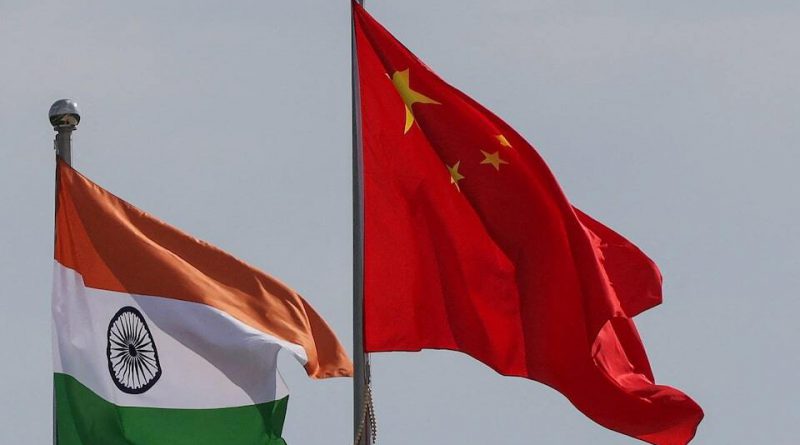
India Considers Removing Restrictions on Chinese Companies Bidding for Government Projects
New Delhi – India is planning to remove long-standing restrictions on Chinese companies participating in government tenders. The move is intended to improve project execution and address supply constraints across sectors.
The proposal is being considered by the finance ministry after consultations with multiple government departments. Officials believe easing the rules could help speed up infrastructure development.
The restrictions were introduced five years ago and required additional registration and clearances for certain foreign bidders. Over time, these rules affected procurement timelines and availability of specialised equipment.
Government sources said the current review focuses on simplifying procedures rather than changing core procurement principles. The aim is to ensure smoother participation in large public projects.
Several ministries have reportedly requested relaxation of the existing framework. They cited delays and shortages in key infrastructure and energy projects.
Officials involved in the discussions said the registration requirement may be removed. This would allow broader participation in tenders under standard eligibility norms.
A high-level committee has also examined the issue and shared recommendations. Its assessment highlighted operational challenges created by the existing system.
Since the restrictions were imposed, participation by certain foreign firms declined significantly. This reduced competition in some high-value government contracts.
Data from independent research groups showed a noticeable fall in project awards during the early years of the curbs. This trend affected sectors such as railways, power equipment and heavy manufacturing.
Power sector projects were among those impacted by limited supplier options. Officials noted that easing procurement rules could help meet future capacity goals.
India has ambitious plans to expand its energy and infrastructure base over the next decade. Timely availability of equipment and technology is considered essential for these plans.
Market participants said easing the rules could improve competition and pricing efficiency. Greater participation may also support faster project completion.
The finance ministry’s proposal is still under review and subject to approval. Final decisions are expected after inter-ministerial consultations are completed.
Officials emphasized that any changes would follow existing procurement safeguards. Transparency and compliance requirements would continue to apply.
The review process reflects a broader effort to streamline government contracting systems. Authorities are looking to reduce administrative bottlenecks.
Industry representatives have welcomed discussions on easing procedural hurdles. They believe it could enhance execution capacity across sectors.
Infrastructure developers often rely on global supply chains for specialised components. Access to a wider pool of suppliers can reduce project risks.
The proposed changes are expected to benefit public works and manufacturing-linked projects. They may also improve coordination between ministries and contractors.
Analysts noted that procurement flexibility is important for large-scale development programmes. It allows governments to adapt to evolving market conditions.
The review also aligns with efforts to improve ease of doing business. Simplified rules can encourage participation while maintaining oversight.
Officials clarified that the objective is efficiency rather than policy change. The focus remains on timely delivery and value for public funds.
Any revised framework would be communicated through official notifications. Stakeholders would be given clarity before implementation.
India continues to invest heavily in infrastructure, energy and transport networks. Procurement reforms play a key role in supporting these investments.
The proposed easing of restrictions reflects practical considerations. It aims to balance regulatory oversight with operational efficiency.
If approved, the changes could be implemented in phases. This would allow smooth adjustment by all stakeholders.
Overall, the plan highlights the government’s focus on execution and capacity building. Efficient procurement is seen as a foundation for long-term growth.