
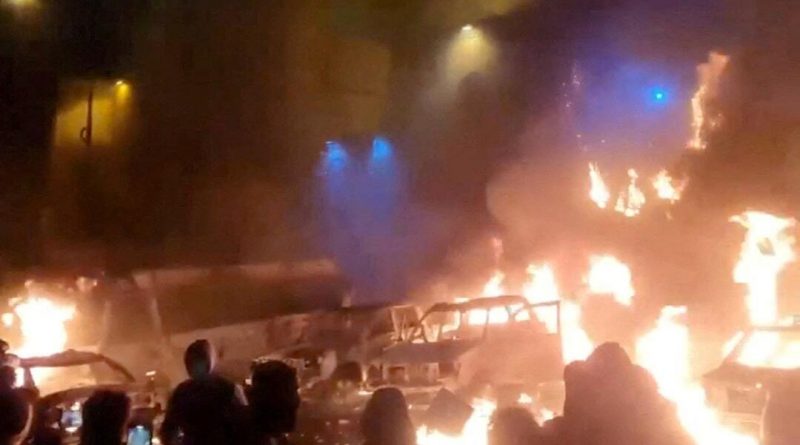
Deaths From Iran Protests Reported to Exceed 500
Dubai – Unrest in Iran has continued to draw international attention as a rights organization reported that the number of fatalities linked to recent demonstrations has crossed the 500 mark, reflecting the scale and intensity of events unfolding across several cities.
The developments come amid widespread public concern over economic pressures, social stability, and the humanitarian impact of prolonged unrest affecting communities nationwide.
According to figures compiled by a U.S.-based rights group using information from activists inside and outside the country, hundreds of civilians and members of security services have lost their lives during the unrest.
The same assessment indicated that thousands of people have been detained over the past two weeks, highlighting the breadth of the security response and the disruption to daily life.
Officials in Iran have not released an official nationwide toll, and independent verification of casualty numbers remains difficult due to limited access and disruptions to communication networks.
Despite these challenges, reports from various regions suggest that demonstrations have involved large crowds and extended into multiple urban centers, particularly during evening hours.
The protests initially emerged in response to rising living costs and economic challenges faced by households, before evolving into broader expressions of frustration and calls for reform.
Observers note that such movements reflect deep social and economic strains, as well as a strong desire among citizens for stability, opportunity, and improved living conditions.
Information from within the country has been constrained by intermittent internet outages, making it harder to gain a full picture of events as they unfold.
Even so, videos and eyewitness accounts circulating online have shown gatherings of people marching, chanting, and expressing solidarity in public spaces across several cities.
State media coverage has emphasized the importance of maintaining public order and safeguarding infrastructure, while also showing scenes linked to the human cost of unrest.
Officials have reiterated that stability and national security remain priorities, urging calm and caution as authorities work to address challenges facing the country.
Analysts following the situation suggest that while the protests are among the most significant in recent years, the long-term political outcome remains uncertain.
They point out that previous periods of unrest have eventually subsided, though underlying economic and social issues continue to require attention and long-term solutions.
International reactions have varied, with calls from different quarters emphasizing the protection of civilians and the importance of dialogue to prevent further loss of life.
Humanitarian organizations and observers have stressed the need to focus on de-escalation, respect for life, and measures that can reduce suffering among affected families.
Within Iran, daily routines in some areas have been disrupted as businesses close early and residents remain cautious amid ongoing demonstrations.
Families of those affected have voiced grief and concern, underscoring the personal toll of the unrest beyond political and economic considerations.
The situation highlights the broader challenge of balancing public order with social well-being during times of heightened tension and uncertainty.
As events continue to evolve, many observers emphasize the importance of stability, constructive engagement, and efforts aimed at easing economic pressures that sparked the initial protests.


