South Korea urges calm and dialogue as regional cooperation takes center stage in East Asia
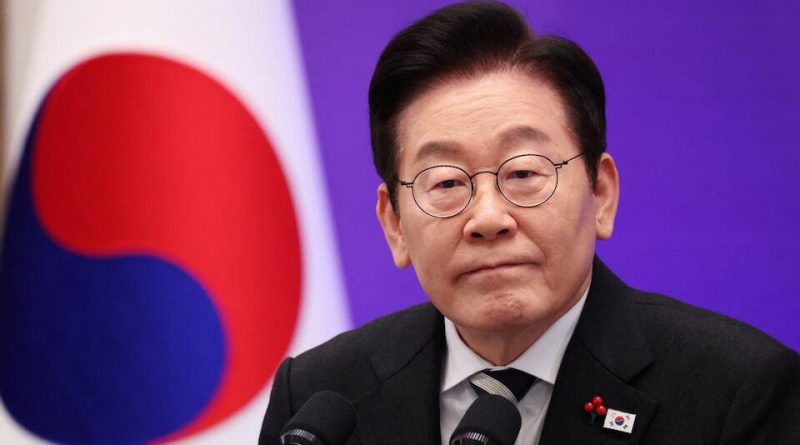
Seoul – South Korea’s president has emphasized the importance of stability, cooperation, and mutual respect in East Asia, noting that harmony among neighboring countries remains essential for long-term regional peace and economic growth.
He highlighted that balanced diplomacy and open communication are key to maintaining trust and avoiding misunderstandings in a region deeply connected through trade, culture, and shared security interests.
Speaking in the context of broader regional relations, the South Korean leadership underlined that Seoul prefers constructive engagement over involvement in disagreements between other nations.
The focus, he said, should remain on dialogue, confidence-building measures, and practical cooperation that benefits people across borders.
South Korea has consistently positioned itself as a supporter of multilateralism and peaceful coexistence in East Asia.
By encouraging restraint and understanding, Seoul aims to contribute to an environment where differences are addressed through diplomatic channels rather than confrontation.
Regional stability plays a crucial role in sustaining economic momentum across Northeast Asia, one of the world’s most interconnected economic zones.
South Korea’s approach reflects its reliance on smooth regional ties to support supply chains, investment flows, tourism, and technological collaboration.
The president also pointed to the importance of regular high-level meetings and people-to-people exchanges in strengthening mutual understanding among neighboring countries.
Such engagement, he noted, helps reduce tensions, build familiarity, and reinforce shared commitments to peace and prosperity.
In recent years, South Korea has expanded its diplomatic outreach, balancing relationships with major regional partners while maintaining an independent and pragmatic foreign policy.
This strategy allows Seoul to act as a stabilizing presence, supporting dialogue and cooperation without escalating sensitive issues.
Observers note that South Korea’s emphasis on non-interference aligns with international norms that respect sovereignty and peaceful dispute resolution.
By avoiding inflammatory rhetoric, Seoul seeks to keep regional discussions focused on shared challenges such as economic recovery, climate resilience, and public health.
The president reiterated that sustainable peace in East Asia depends on trust, predictability, and adherence to international law.
He added that all countries benefit when regional dynamics are managed through patience, diplomacy, and long-term vision.
South Korea continues to strengthen bilateral ties with regional partners through cultural exchanges, economic agreements, and security dialogues.
These efforts are designed to reinforce a cooperative framework that can withstand periods of uncertainty and global change.
Looking ahead, Seoul plans to prioritize diplomacy that emphasizes common ground rather than differences.
This includes promoting regional forums, encouraging transparent communication, and supporting initiatives that foster mutual confidence.
South Korea’s message reflects a broader aspiration for East Asia to remain a zone of opportunity rather than tension.
By advocating calm and dialogue, Seoul signals its commitment to contributing positively to regional peace and shared development.