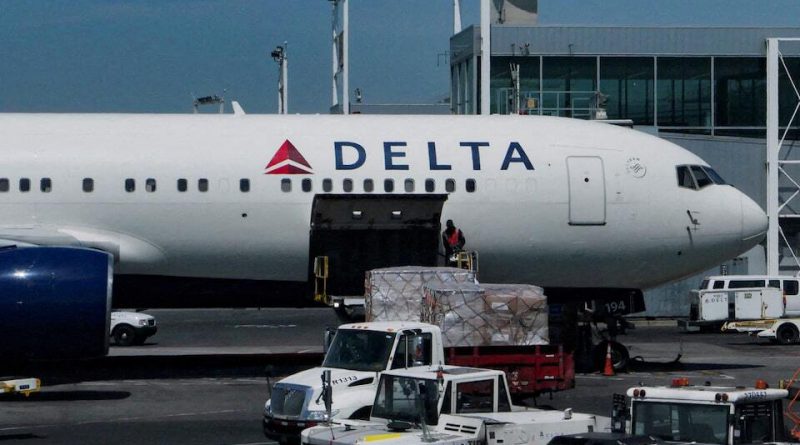
Delta Air Lines Accelerates Premium-Led Growth Strategy with Boeing 787 Expansion
Delta Air Lines is positioning itself for strong and sustainable growth in 2026 by focusing on premium travelers, expanding long-haul capabilities, and investing in a modern, efficient widebody fleet to meet evolving global travel demand.
Delta Air Lines has outlined an upbeat growth outlook for 2026, driven by strong demand from premium and corporate travelers. The airline expects this segment to remain a key engine of profitability.
The company projects earnings growth of around 20 percent, reflecting confidence in its strategic focus on higher-yield customers. This approach is helping Delta navigate a changing travel market.
Premium cabins, international routes, and loyalty programs are playing a central role in Delta’s revenue mix. Nearly sixty percent of revenue now comes from premium products and non-ticket sources.
Delta’s co-branded credit card partnership continues to perform strongly, reinforcing customer loyalty and generating stable cash flows. This diversified revenue base supports long-term resilience.
The airline is doubling down on premium seating across its fleet. Most future seat growth will be concentrated in premium categories rather than standard economy cabins.
To support long-haul growth, Delta has ordered 30 Boeing 787-10 widebody aircraft, with options for additional units. This move strengthens its international network strategy.
The Boeing 787-10 offers high fuel efficiency and flexibility on mid-range international routes. These aircraft are well suited for transatlantic and South American services.
Deliveries are expected to begin in the early 2030s, aligning with Delta’s long-term fleet renewal plans. The order adds balance to a fleet historically centered on Airbus aircraft.
Supplier diversification is a key benefit of the new aircraft order. This approach enhances operational flexibility as Delta expands its global footprint.
Premium demand continues to outperform other travel segments. Business travelers and higher-income leisure passengers remain willing to spend on comfort and convenience.
International travel demand remains solid overall, with some regions still in recovery mode. Global events and tourism flows are expected to support future growth.
Delta sees opportunities in global sporting and cultural events to stimulate inbound international travel. These factors can provide additional momentum to long-haul routes.
Operational efficiency remains a priority as the airline modernizes its fleet. Newer aircraft help reduce fuel costs and support sustainability goals.
Despite softer demand in some lower-yield segments, Delta’s balanced strategy allows it to maintain strong margins. Premium focus helps offset market volatility.
The airline’s leadership has emphasized disciplined capacity growth and careful capital allocation. This supports predictable financial performance.
Delta continues to invest in customer experience, including upgraded cabins, lounges, and digital services. These enhancements strengthen brand loyalty.
The company’s outlook reflects confidence in long-term travel demand trends. Corporate travel, in particular, is showing steady recovery.
Free cash flow expectations remain robust, providing flexibility for debt reduction and shareholder returns. Financial stability remains a core strength.
Delta’s strategic clarity positions it well in a competitive airline industry. Focused execution supports sustainable expansion.
Overall, Delta Air Lines is leveraging premium demand, fleet modernization, and diversified revenue streams to build a strong foundation for 2026 and beyond.