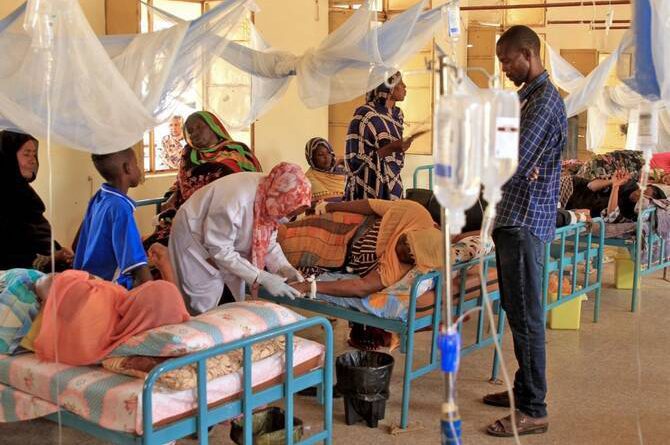
Sudan’s Health System Struggles After Prolonged Conflict and Humanitarian Strain
London – After nearly three years of sustained conflict, Sudan’s health system is facing unprecedented pressure, with medical services stretched thin and communities struggling to access even basic care.
The prolonged instability has disrupted hospitals, supply chains, and healthcare staffing, leaving millions reliant on emergency assistance and community-based support networks.
Healthcare challenges have intensified as displacement, food shortages, and weakened sanitation systems intersect, increasing the risk of disease and preventable illness.
Many regions are witnessing recurring outbreaks of communicable diseases, highlighting the fragile state of public health and the urgent need for coordinated medical support.
Health facilities across the country are operating under difficult conditions, with many clinics unable to function at full capacity due to shortages of equipment, medicines, and trained personnel.
Mobile clinics and temporary treatment centers have become essential lifelines, especially in remote and densely populated displacement areas.
The strain on the healthcare workforce has been severe, as doctors, nurses, and support staff face immense workloads while working with limited resources.
Despite these challenges, local medical professionals continue to provide care, often adapting creatively to ensure essential services reach vulnerable populations.
Displacement has played a major role in amplifying health risks, as families living in crowded conditions are more exposed to waterborne and vector-borne diseases.
Poor access to clean water and sanitation has further complicated prevention efforts, making early detection and treatment a priority for health responders.
Children and vulnerable groups are particularly affected, with nutritional deficiencies compounding the impact of illness and limited medical access.
Community health programs focusing on maternal and child care have become critical in reducing preventable complications and supporting long-term well-being.
International and regional aid organizations are working alongside local partners to deliver medicines, vaccinations, and emergency treatment where access allows.
These efforts have helped stabilize conditions in some areas, though the scale of need continues to exceed available resources.
Supply chain disruptions remain a significant obstacle, increasing the cost and reducing the availability of essential medicines and medical equipment.
Efforts to restore reliable distribution networks are seen as key steps toward rebuilding functional healthcare services nationwide.
Long-term recovery of Sudan’s health system will require sustained investment in infrastructure, workforce development, and preventive care.
Strengthening primary healthcare and rebuilding damaged facilities are viewed as essential foundations for future resilience.
Community-led initiatives and diaspora-supported medical projects have emerged as important contributors, helping bridge gaps where formal systems are weakened.
These initiatives demonstrate the role of local engagement in maintaining healthcare access during prolonged crises.
Health experts emphasize that stabilizing public health conditions depends on consistent access to care, reliable funding, and coordinated humanitarian support.
Preventing further deterioration will require ongoing collaboration among medical providers, aid agencies, and community organizations.
While emergency assistance remains vital, attention is also turning toward recovery planning and sustainable health solutions.
Ensuring continuity of care for chronic conditions and preventive services is critical to protecting long-term population health.
The experience of recent years has underscored how closely health outcomes are linked to stability, infrastructure, and access.
Rebuilding Sudan’s health system is widely seen as a necessary step toward restoring community well-being and supporting future development.