Iran protests ease after deadly crackdown as heavy security remains in cities
Dubai – Iran has witnessed a noticeable decline in street protests after a deadly security crackdown according to residents and a human rights group
Calm has returned to several major cities even as sporadic unrest and arrests continue in some regions.
Demonstrations first erupted in late December after rising inflation and economic pressure fueled public anger.
The unrest quickly evolved into one of the most serious challenges faced by Iran’s leadership in recent years.
Residents in Tehran said the capital has remained largely quiet since the beginning of the week.
They reported a strong security presence and surveillance drones patrolling key areas of the city.
Shops in the Grand Bazaar reopened and daily life appeared to resume under close monitoring.
Several residents said they had not witnessed public protests for several consecutive days.
A Norway based Iranian Kurdish rights group said protest gatherings have largely stopped since Sunday.
The group described the security environment as extremely restrictive across protest hit regions.
According to the rights group security forces have been deployed heavily in cities that saw earlier unrest.
Troop movements were also reported in locations that had not previously experienced major demonstrations.
Information from inside Iran remains limited due to internet disruptions and restrictions on media access.
This has made independent verification of events difficult for outside observers.
In northern cities near the Caspian Sea residents also reported calm streets and limited movement.
People declined to give their names citing fear of reprisals from authorities.
Despite the apparent lull reports of isolated unrest have continued to surface.
The rights group said a female nurse was killed by direct gunfire during protests in Karaj.
That report could not be independently verified but has heightened concerns over the use of force.
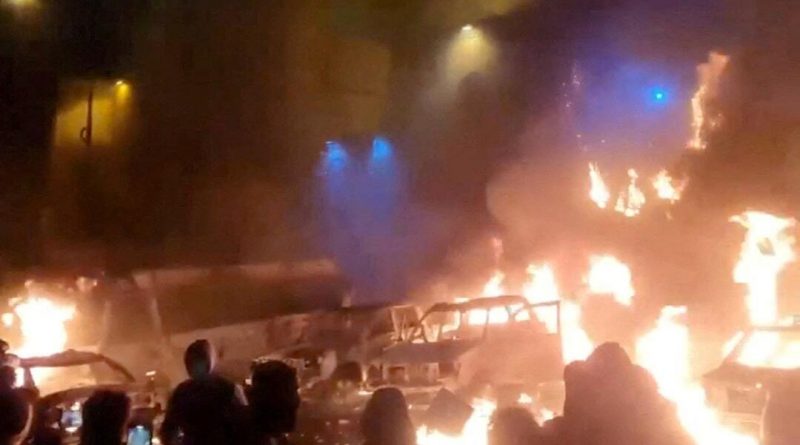
State affiliated media acknowledged incidents of violence including arson attacks on public buildings.
One such incident involved a local education office being set on fire in central Isfahan province.
Officials described those involved as rioters and vowed continued security operations.
In Iran’s northwest where Kurdish communities are concentrated sporadic demonstrations were still reported.
An elderly resident said protests were smaller and less intense than earlier clashes.
She described earlier scenes of violence as unprecedented in her lifetime.
Fear and exhaustion were cited as reasons many protesters have stayed off the streets.
International pressure has also played a role in recent developments.
Concerns of possible foreign military intervention briefly escalated tensions this week.
U.S. President Donald Trump had warned of grave consequences if killings continued.
Those fears eased after signals that the intensity of the crackdown had reduced.
White House officials said the situation was being closely monitored.
They also said hundreds of scheduled executions had reportedly been halted.
Regional allies including Gulf states engaged in urgent diplomacy to avoid escalation.
They warned that military conflict would destabilize the wider Middle East region.
Iran’s economy remains under severe strain due to long standing sanctions.
Rising prices and unemployment continue to fuel public frustration beneath the surface.
Analysts say the calm may be temporary rather than a full resolution.
Underlying grievances remain unresolved despite the visible security clampdown.
Human rights groups have urged transparency and restraint from authorities.
They have also called for accountability over deaths and arrests during protests.
For now streets remain quieter but tension lingers across the country.
Many Iranians fear renewed unrest could erupt if economic conditions worsen.