Syrian Army Advance Triggers Fresh Clashes With Kurdish Forces After Withdrawal Dispute
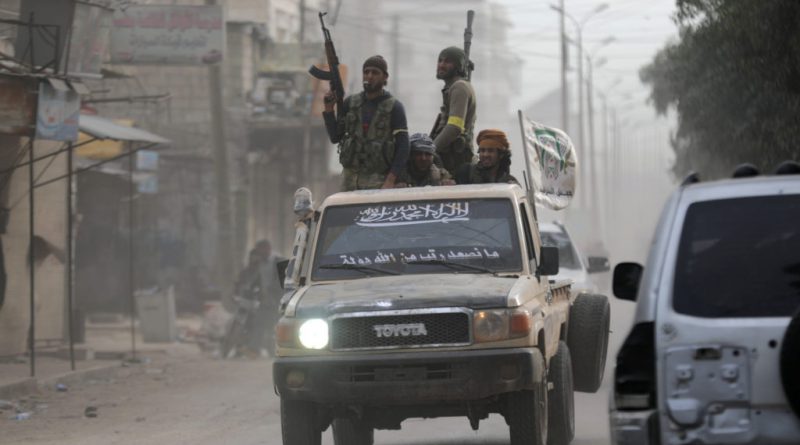
Deir Hafer – Syrian government troops moved swiftly through several northern towns after Kurdish fighters agreed to withdraw, marking a significant shift in territorial control across the region. The initial movement appeared calm and organized, raising cautious hopes that the withdrawal agreement could prevent another round of widespread violence.
The deal centered on Kurdish forces redeploying to the eastern side of the Euphrates River, creating a clear frontline between government troops and Kurdish units. This step was framed as a goodwill gesture aimed at reducing friction and opening space for political dialogue rather than armed confrontation.
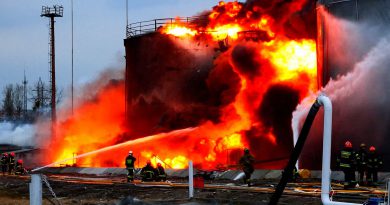
The situation deteriorated when Syrian troops continued advancing beyond areas covered by the agreement, triggering clashes in several towns and near strategically important oil facilities. Both sides accused each other of violating the terms, exposing the fragility of the understanding and the depth of mutual suspicion.
In Arab majority towns such as Deir Hafer, the arrival of Syrian troops was met with visible relief among residents. Many locals described the moment as an end to uncertainty, hoping that the return of state control would restore stability after years of shifting authorities.
Some civilians who had fled earlier returned through humanitarian corridors, while others who stayed celebrated openly. Residents spoke of war fatigue and emphasized that ordinary people no longer wanted to be trapped between rival armed groups.
Kurdish fighters moved east toward Tabqa, a town that quickly emerged as the next major flashpoint. When Syrian military officials indicated plans to advance toward Tabqa, Kurdish leaders objected strongly, stating that the town was not included in the withdrawal arrangement.
Tabqa’s importance goes beyond geography, as nearby oil and gas fields make it economically and strategically valuable. Control over these resources remains one of the core drivers of confrontation and leverage in negotiations between Damascus and Kurdish authorities.
Casualties were reported on both sides, with confirmed deaths among Syrian soldiers and Kurdish fighters, though exact figures were not disclosed. Coalition aircraft flying overhead served as a reminder of international concern over the risk of further escalation.
Efforts to contain the fighting included diplomatic engagement, with a United States envoy traveling to Erbil to meet Kurdish leaders. These talks highlighted continued external involvement in trying to prevent the conflict from expanding further.
The renewed clashes underline deeper political divisions following stalled talks on integrating Kurdish military and civilian structures into Syrian state institutions. Missed deadlines and unmet commitments have steadily weakened confidence in a negotiated solution.
Arab tribal leaders in Kurdish controlled areas have warned they may align with government forces if instructed, adding another unpredictable element to the conflict. Their stance suggests that local alliances could quickly reshape the battlefield.
Memories of earlier sectarian violence in other regions of Syria continue to fuel Kurdish fears and resistance. These unresolved grievances complicate reconciliation and cast uncertainty over future stability.
Tensions remain high. The situation continues to evolve.