Pentagon places troops on standby as Minnesota protests escalate
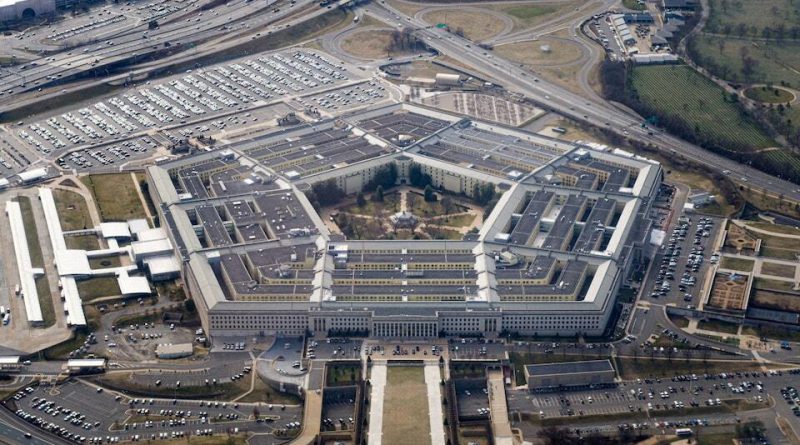
Minneapolis – The United States Department of Defense has placed around 1,500 active-duty soldiers on prepare-to-deploy orders amid growing unrest in Minnesota, as large-scale protests against immigration enforcement continue to intensify.
According to US media reports, the move is a precautionary step taken by the Pentagon in response to rising tensions and the possibility of further violence linked to demonstrations targeting Immigration and Customs Enforcement operations in the state.
While no final decision has been made on deployment, defense officials indicated that readiness is necessary given the rapidly evolving situation on the ground.
The potential deployment follows a sharp increase in federal immigration activity in Minneapolis and surrounding areas, which has triggered widespread protests and confrontations between residents and law enforcement.
President Donald Trump has publicly warned that he may invoke the Insurrection Act if state authorities fail to control demonstrators who, he claims, are attacking federal immigration officers.
The White House has stated that it is standard practice for the Pentagon to prepare for any directive the president may issue, emphasizing that readiness does not automatically mean troops will be deployed.
Reports indicate that the soldiers placed on standby belong to two US Army infantry battalions under the 11th Airborne Division, based in Alaska, and trained in cold-weather operations.
Their specialization makes them suitable for potential deployment in Minnesota’s winter conditions should the situation escalate further.
At the same time, Minnesota Governor Tim Walz has mobilized the state’s National Guard to support local law enforcement and emergency services, a move that underscores the seriousness of the unrest and the state government’s effort to maintain order without federal military intervention.
Tensions have remained particularly high since the fatal shooting of Renee Nicole Good, a 37-year-old US citizen and mother of three, by an ICE agent earlier this month in Minneapolis.
The incident has fueled public anger, leading to sustained protests and heightened scrutiny of federal immigration tactics.
Demonstrations have grown larger and more emotionally charged, with community leaders accusing federal authorities of excessive force and escalating the situation rather than calming it.
President Trump has defended the surge of nearly 3,000 federal agents sent to Minneapolis and nearby St. Paul, describing it as necessary to protect federal personnel and property.
He has also pointed to alleged corruption and misuse of federal funds in Minnesota as justification for the intervention, while repeatedly singling out the state’s Somali immigrant community in his remarks.
Local and state leaders, however, have accused the administration of federal overreach and of exaggerating isolated incidents to justify a heavy-handed response.
The Insurrection Act, last widely used decades ago, grants the president authority to deploy the military domestically to suppress unrest.
Its possible use has sparked concern among civil rights groups and legal experts, who warn that deploying active-duty troops could further inflame tensions and set a troubling precedent.
For now, the situation remains fluid, with both federal and state authorities bracing for developments that could shape the national debate on immigration enforcement, protest rights, and the limits of executive power.
The coming days will be critical in determining whether dialogue or force prevails. The outcome could have lasting implications for civil-military relations in the US.