Syria tightens control after Kurdish withdrawal as IS prisoners escape
Raqqa – Syrian government forces have expanded their control across large parts of northern and eastern Syria following a sudden withdrawal by Kurdish-led fighters, marking one of the most significant shifts in the country’s balance of power in recent years.
The pullback has consolidated the authority of President Ahmed al-Sharaa, even as fresh security concerns emerge over reports of Islamic State prisoners escaping detention.
The developments came a day after the Kurdish-led Syrian Democratic Forces agreed to withdraw from key territories under a ceasefire arrangement, ending days of clashes with government troops.
Syrian military officials said their forces moved quickly to secure abandoned areas, describing the withdrawals as a turning point in restoring state authority.
Tensions, however, remain high as both sides trade accusations over violations of the ceasefire and responsibility for the reported prison break in the eastern city of Shaddadi.
The Syrian army claimed that a number of Islamic State militants escaped from a prison previously controlled by the SDF, accusing Kurdish forces of releasing detainees as they retreated.
The SDF rejected the accusation, saying it lost control of the prison after it came under attack during fighting with government forces. Kurdish officials said thousands of militants had been held at the facility, raising fears that any large-scale escape could pose a renewed threat to regional security.
Syrian authorities denied attacking the prison and said their forces would work to secure the facility and recapture any escaped detainees.
Government officials insisted that the army had acted in line with deployment plans and was focused on stabilising the region rather than provoking new clashes.
The withdrawals from Raqqa and Deir al-Zor represent the biggest change in Syria’s control map since Islamist-led forces toppled former president Bashar al-Assad in 2024.
For years, these Arab-majority provinces and their oil-rich areas had been under SDF control, giving the Kurdish-led alliance significant leverage.
The shift follows months of stalled negotiations between Damascus and the SDF over demands that Kurdish fighters fully integrate into Syria’s national armed forces.
After prolonged deadlock, the latest fighting appears to have tipped the balance decisively in favour of the central government.
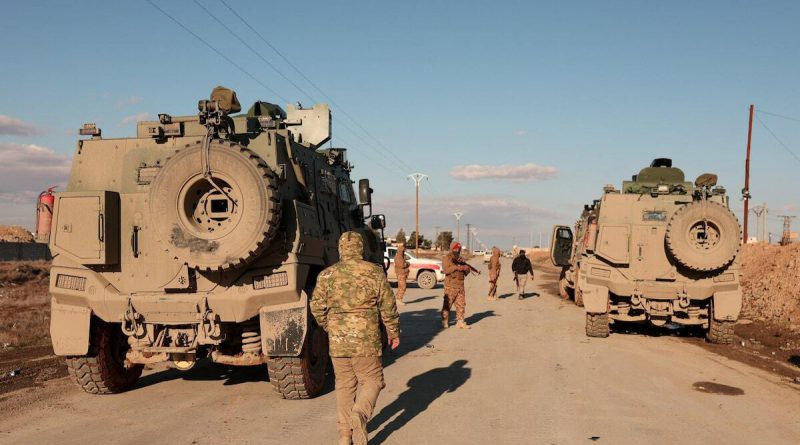
Government troops were seen deploying around major oil fields in Deir al-Zor and consolidating their presence in Raqqa, signalling an effort to secure strategic and economic assets.
Control over energy infrastructure is expected to strengthen Damascus’s position as it seeks to rebuild the country after years of conflict.
Turkey, which has long opposed the expansion of Kurdish armed groups near its border, welcomed the agreement between the Syrian leadership and the SDF.
Turkish President Tayyip Erdogan called for swift implementation of the deal, particularly provisions requiring Kurdish fighters to merge into the Syrian military.
The SDF, led by the Kurdish YPG militia, had at its peak controlled more than a quarter of Syrian territory during the civil war, with backing from United States forces in the fight against Islamic State.
While Washington has been involved in mediation efforts, Kurdish officials said international support was lacking during the recent clashes.
According to the SDF, appeals for intervention to a nearby international coalition base went unanswered as fighting intensified around detention facilities.
The lack of response has added to Kurdish grievances and raised questions about the future role of foreign forces in Syria.
Syrian defence officials have dismissed claims of clashes near other prisons, saying government forces arrived to secure facilities and their surroundings despite the presence of SDF fighters inside.
They argue the army’s actions are aimed at preventing further instability.
As Damascus tightens its grip, analysts warn that the reported escape of Islamic State detainees could undermine fragile security gains.
The situation highlights the risks accompanying rapid territorial shifts in a country still recovering from more than a decade of war.
The coming weeks will test whether the ceasefire holds and whether Damascus can stabilise newly regained areas while preventing extremist groups from exploiting the uncertainty.
For Syria, the consolidation of power may mark a new chapter, but lingering tensions suggest peace remains fragile.