Denmark, Greenland float Arctic NATO mission amid rising tensions
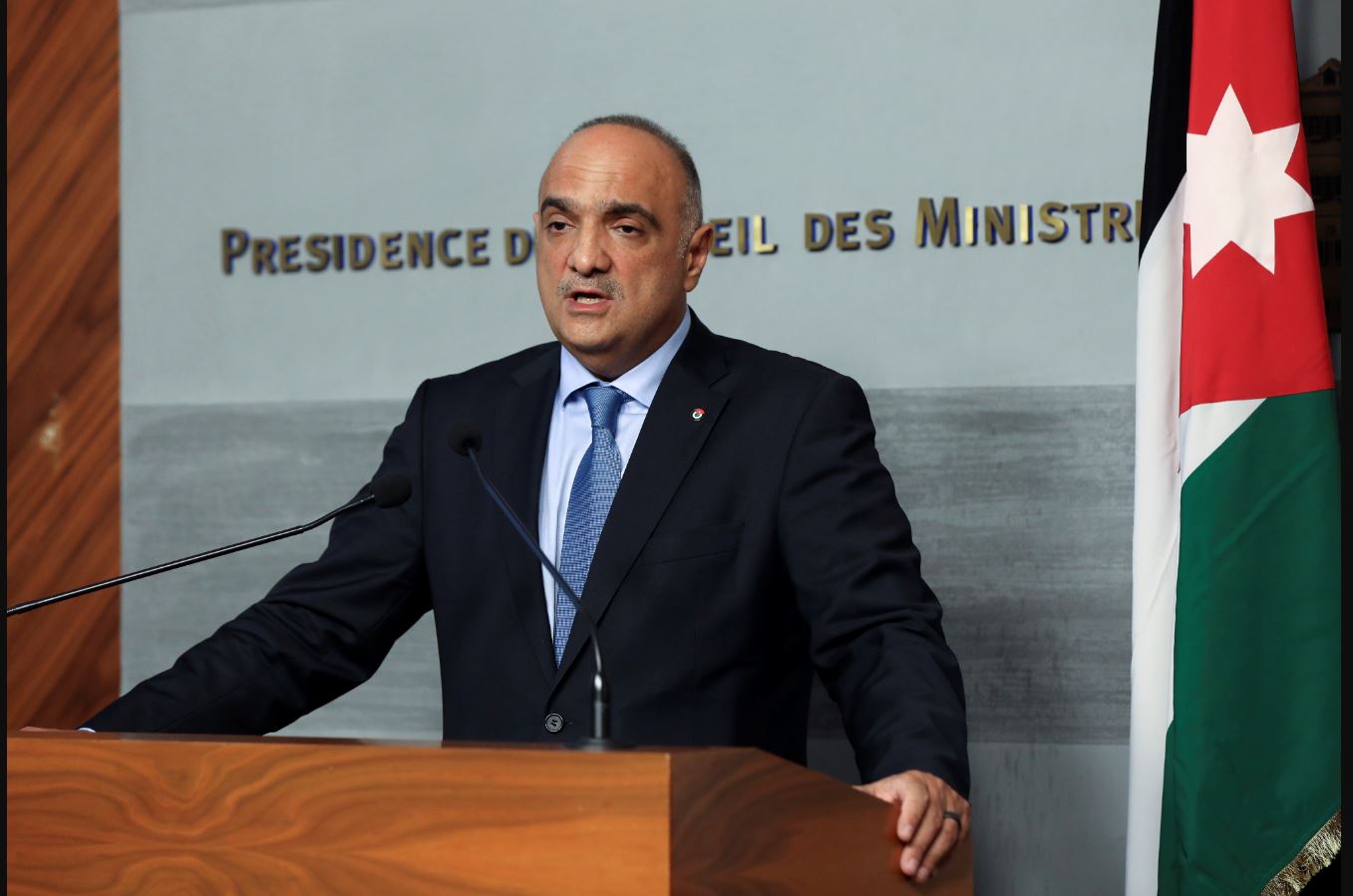
Brussels – Denmark and Greenland have proposed the idea of establishing a NATO mission focused on Greenland and the wider Arctic region, as concerns grow over security, sovereignty and geopolitical competition in the far north. The proposal was confirmed by Danish Defence Minister Troels Lund Poulsen following high-level discussions in Brussels.
The suggestion comes at a sensitive moment, with U.S. President Donald Trump intensifying rhetoric over Greenland’s strategic importance and openly questioning Denmark’s control over the territory. His remarks have unsettled European allies and renewed debate over how NATO should respond to mounting pressure in the Arctic.
Poulsen said Denmark had formally raised the idea of a NATO presence during talks with NATO Secretary General Mark Rutte and Greenland’s Foreign Minister Vivian Motzfeldt. He added that the alliance leadership had taken note of the proposal and that work could now begin on shaping a practical framework for such a mission.
According to Poulsen, the discussions were fully aligned with the position of the Greenlandic government, which has increasingly emphasised the need for stronger international security cooperation while maintaining respect for Greenland’s autonomy and international law.
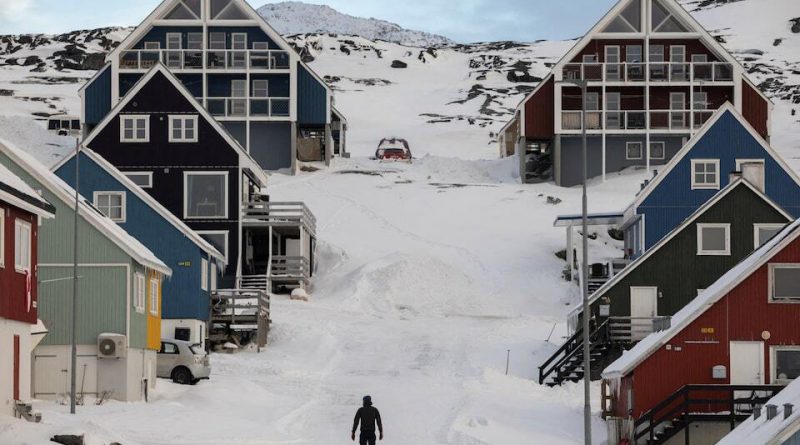
The Arctic has become a focal point of global strategic competition due to melting ice, which is opening new shipping routes and access to untapped natural resources. At the same time, military interest in the region has intensified, particularly among NATO members, Russia and China.
Greenland’s location between North America and Europe gives it outsized strategic importance. The island already hosts U.S. military infrastructure, including a key air base used for missile warning and space surveillance, but recent tensions have raised questions about whether existing arrangements are sufficient to deter new security risks.
Trump’s renewed push to assert U.S. control over Greenland has alarmed European governments and strained transatlantic relations. Denmark has firmly rejected any suggestion of transferring sovereignty, stressing that Greenland’s future must be decided by its people and within the framework of international law.
European officials fear that escalating rhetoric could weaken NATO unity at a time when the alliance is already under strain from the war in Ukraine and broader disagreements over defence spending and trade. Some EU leaders have warned that continued pressure on Denmark could trigger political or economic countermeasures.
Against this backdrop, a NATO mission in the Arctic is being framed as a way to strengthen collective security while avoiding unilateral actions. Supporters argue that a formal alliance presence could enhance surveillance, improve coordination among member states and reassure Arctic nations without undermining sovereignty.
Poulsen said any NATO role would need to be carefully designed, respecting Greenland’s status while addressing shared security concerns. He suggested that the mission could focus on monitoring, joint exercises and crisis preparedness rather than permanent large-scale troop deployments.
Greenlandic officials have signalled cautious openness to greater NATO engagement, particularly as climate change accelerates activity in Arctic waters. Increased shipping traffic and interest from non-Arctic powers have heightened concerns about environmental risks, search and rescue capacity and regional stability.
NATO Secretary General Mark Rutte has not publicly detailed the alliance’s response, but officials say the issue is likely to remain on the agenda in coming months. Any decision would require consensus among member states, many of which are reassessing their Arctic strategies.
Analysts note that a NATO mission could also serve as a political signal, reinforcing the principle that Arctic security should be managed multilaterally rather than through pressure or coercion. However, they caution that the idea could face resistance from members wary of provoking further tensions with Washington or Moscow.
For Denmark, the proposal reflects a balancing act between strengthening deterrence and preserving alliance unity. By working through NATO, Copenhagen hopes to anchor Arctic security firmly within existing institutions rather than allowing it to become a source of unilateral rivalry.
As discussions continue, the future of Greenland and the Arctic is likely to remain a flashpoint in global politics. Whether a NATO mission materialises or not, the debate underscores how rapidly the once-remote region has moved to the centre of international security planning.