Saudi Rewilding Drive Returns Asian Houbara to the Wild
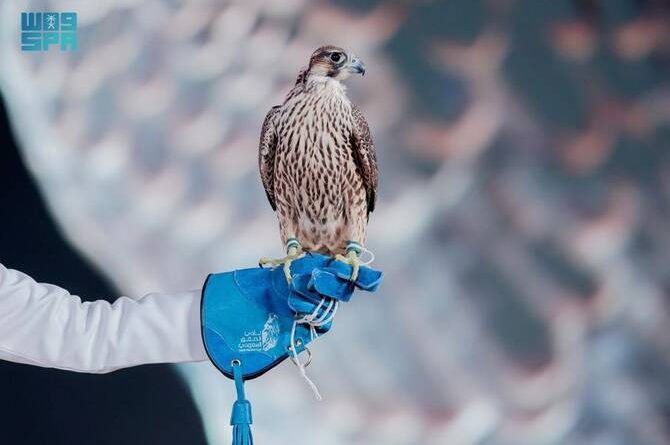
Tabuk – Saudi Arabia has taken a major step in wildlife conservation with the successful reintroduction of the Asian houbara bustard into its natural habitat after more than three decades, as part of a wider national effort to restore endangered species and protect biodiversity.
The release of 20 Asian houbara within the Prince Mohammed bin Salman Royal Reserve in Tabuk marks a milestone under the Kingdom’s ReWild Arabia mission, reflecting a shift toward science-led rewilding and long-term ecological restoration.
The initiative is being carried out in collaboration with national wildlife authorities and specialist conservation foundations to ensure the establishment of viable wild populations across Saudi Arabia.
Historically, the Asian houbara ranged widely from North Africa to East Asia and once bred extensively across the Arabian Peninsula, with migratory populations wintering in Saudi Arabia.
Over time, habitat loss, unsustainable hunting practices, and poaching led to a dramatic decline, leaving the species critically endangered and absent from the Kingdom’s wild landscapes for decades.
Conservation experts involved in the project say the latest release represents a turning point, as efforts now move beyond captive breeding toward ensuring survival and adaptation in natural environments.
Half of the released birds have been fitted with satellite tracking devices, allowing scientists to closely monitor their movements, survival rates, habitat preferences, and exposure to threats.
The data collected will help refine future release strategies and support long-term population recovery.
The Prince Mohammed bin Salman Royal Reserve provides an ideal setting for rewilding due to its vast protected area and diverse ecosystems.
Covering more than 24,500 square kilometers, the reserve supports large-scale habitat restoration, ranger patrols, and community engagement programs designed to safeguard wildlife and reduce human pressure on fragile ecosystems.
Officials involved in the project emphasize that restoring the Asian houbara carries both ecological and cultural importance. The species holds deep significance in Arabian falconry traditions, which were recognized by UNESCO as Intangible Cultural Heritage of Humanity.
Reviving houbara populations helps preserve not only biodiversity but also a living cultural practice closely tied to the region’s history.
Saudi Arabia’s conservation journey with the houbara dates back to the mid-1980s, when the Kingdom established its first breeding and research centers to counter the species’ decline.
While breeding programs have achieved success in producing large numbers of birds, conservationists note that the ultimate challenge lies in enabling these birds to survive, reproduce, and sustain themselves in the wild.
The Asian houbara is now the 13th species to be reintroduced within the Prince Mohammed bin Salman Royal Reserve as part of an ambitious program to return 23 native species to their historical ranges.
The reserve spans landscapes from volcanic lava fields to the Red Sea coastline and links major development zones, balancing conservation with sustainable development.
Despite covering a small percentage of Saudi Arabia’s total land and marine area, the reserve hosts more than half of the Kingdom’s recorded species, making it one of the most biodiverse protected areas in the Middle East.
Conservation leaders say this highlights the importance of protected reserves in reversing biodiversity loss.
The reintroduction effort underscores Saudi Arabia’s growing role in regional and global conservation, aligning environmental protection with cultural heritage and sustainable land management.
Long-term monitoring and adaptive management will determine the program’s success, but early signs point to a renewed future for the Asian houbara in the Kingdom.