UK Condemns Trump’s Afghanistan Remarks
London – UK Prime Minister Keir Starmer sharply criticised comments made by U.S. President Donald Trump regarding European allies’ role in Afghanistan, calling them insulting and frankly appalling.
His response marked one of the strongest public rebukes yet from a European leader, reflecting growing frustration with remarks seen as dismissive of allied sacrifices.
Starmer said the comments had caused genuine pain to families of soldiers who were killed or injured during the long and costly Afghanistan war.
He emphasised that such statements undermine the shared history of sacrifice and cooperation between NATO allies who fought side by side for two decades.
Trump had claimed that European allies stayed “a little off the front lines” during the conflict, suggesting the United States bore the primary burden.
The remarks immediately triggered backlash across Europe, where military officials and veterans described them as inaccurate, offensive, and disrespectful.
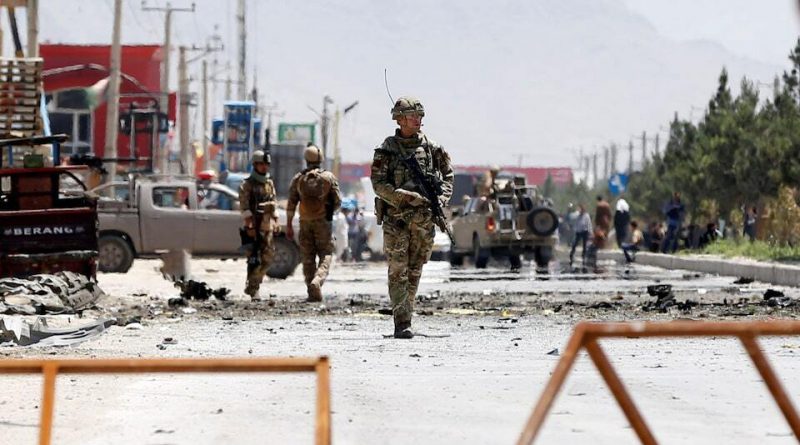
Britain’s reaction was particularly forceful due to its heavy involvement in Afghanistan, where it lost 457 service personnel. The UK led combat operations in Helmand province, one of the most violent regions of the conflict, and served as the United States’ principal battlefield ally during the most intense years of the war.
Starmer noted that if he himself had used such language, he would have apologised without hesitation. His statement highlighted the importance of political accountability and respect when addressing issues involving military service and loss of life.
The controversy further strained already fragile relations between Washington and European capitals. Trump’s recent comments at an international economic forum, including renewed interest in acquiring Greenland, had already unsettled allies and raised concerns about U.S. commitment to traditional partnerships.
European officials echoed Britain’s condemnation, stressing that allied forces operated under shared command structures and faced the same dangers. Several nations pointed out that some European countries suffered among the highest per-capita casualty rates of the entire mission.
Veterans across NATO countries spoke out, rejecting the narrative that non-U.S. forces avoided frontline combat. Retired commanders and former intelligence officials described years of joint operations, intelligence sharing, and combat missions carried out under constant threat.
British military leaders stressed that soldiers from multiple nations fought, bled, and died together in Afghanistan. They warned that dismissing allied contributions risks eroding trust at a time when unity is critical to global security.
The episode reignited debate over the future of NATO and the credibility of its collective defence principle. Article 5, which treats an attack on one member as an attack on all, relies on mutual respect and shared responsibility to remain effective.
Analysts noted that while Trump has often criticised European defence spending, this latest controversy crossed a different line by questioning battlefield commitment. Such remarks, they argue, blur the distinction between policy disagreements and personal affronts to military service.
The backlash also revealed deeper anxieties about leadership tone and diplomatic language in an increasingly unstable global environment. European leaders are now reassessing how to protect alliances while responding firmly to rhetoric that undermines historical cooperation.
This dispute arrives at a moment when global security challenges require close coordination, from Eastern Europe to the Middle East. Any weakening of allied trust could have long-term consequences beyond political headlines.
The controversy may fade, but its impact on transatlantic confidence will linger.
Respect for sacrifice remains central to alliance unity.