
Minnesota Sees Economic Strike Against Immigration Crackdown Minneapolis
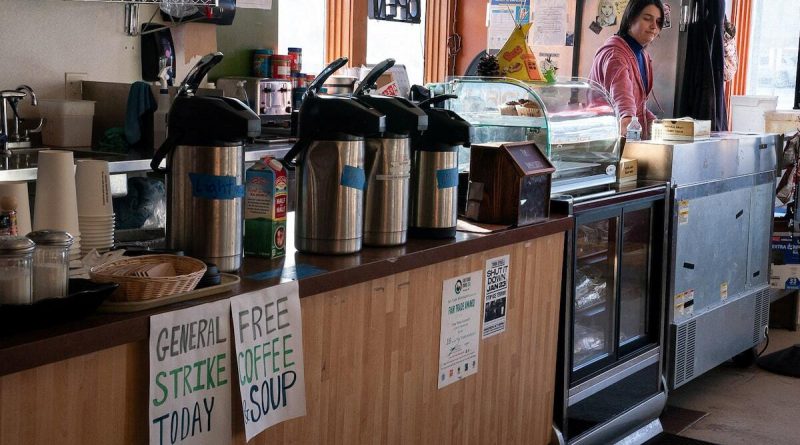
Minneapolis – Minnesotans across the state launched a coordinated economic strike to protest the deployment of thousands of federal immigration enforcement agents in Minneapolis. Businesses closed, workers stayed home, and residents paused daily economic activity to send a message of solidarity with immigrant communities affected by the surge.
The action was organised by civic leaders, labour unions, and religious groups who described the strike as a peaceful but powerful response to what they view as excessive federal intervention. Despite freezing temperatures and heavy snow, protesters gathered to demonstrate collective resistance.
Shops, cafes, museums, restaurants, and neighbourhood businesses across Minneapolis and surrounding areas shut their doors for the day. Flyers reading “No Work, No School, No Shopping” were displayed prominently, reflecting the intention to disrupt normal life as a form of protest.
Many workers joined marches planned throughout the city, which organisers described as the largest mobilisation so far against the immigration enforcement surge. City leaders sympathetic to the protest compared the federal presence to an invasion, intensifying political tensions.
Community organisers said the strike was about more than policy disagreement. It was framed as a moral stand against fear, disruption, and the psychological toll felt by families witnessing arrests and raids in their neighbourhoods.
Local business owners chose to sacrifice income to highlight the seriousness of the situation. Protesters said the willingness to endure harsh weather conditions underscored the depth of frustration and urgency driving the movement.
Schools across Minneapolis and St. Paul remained open, but several districts offered remote learning options to accommodate students affected by demonstrations. Officials aimed to ensure safety while acknowledging the extraordinary circumstances.
The strike followed days of heated street confrontations between protesters and immigration agents. Demonstrators used whistles, drums, and chants to express opposition, while law enforcement responded with crowd-control measures in some areas.
Reports of tear gas and flash-bang devices heightened public anger and concern. Protesters accused agents of escalating tensions, while federal officials claimed officers were being harassed and obstructed.
The immigration surge was initiated following allegations of fraud involving individuals from Minnesota’s Somali community. Federal rhetoric surrounding the operation drew sharp criticism, with residents calling it discriminatory and inflammatory.
Many Minnesotans described the enforcement actions as collective punishment rather than targeted law enforcement. Community leaders warned that such measures risk deepening mistrust and social division.
Senior federal officials visited Minneapolis to defend the operations, stating that efforts were being made to lower tensions. However, residents said assurances rang hollow amid ongoing arrests and heavy enforcement presence.
Participants in the march said traditional protests had failed to generate meaningful change. The economic strike was intended to demonstrate the scale of opposition by impacting commerce and visibility.
Large corporations headquartered in Minnesota largely remained silent, drawing criticism from activists and lawmakers. Some companies faced renewed scrutiny over their commitments to diversity and employee protections.
State officials pressed major retailers to clarify how employees should respond if immigration agents enter workplaces. The lack of public guidance intensified pressure on corporate leadership.
The strike highlighted broader national debates over immigration enforcement, civil liberties, and federal authority. Minnesota’s response has become a focal point for activists across the country.
Organisers said the action was only the beginning, warning that further protests could follow if enforcement continues.
For many residents, the strike was about dignity, safety, and being seen.


