Sudan hospital welcomes first patients after war forced it shut
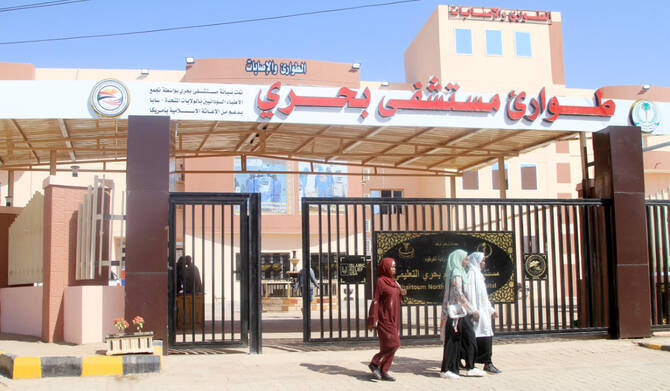
Khartoum – After nearly three years of silence and destruction, Bahri Teaching Hospital in Khartoum has reopened its doors and begun receiving patients once again, marking a rare moment of hope in a city long scarred by conflict. The hospital’s return follows extensive renovation after it was badly damaged, looted, and abandoned during the early months of Sudan’s war.
The facility, located in northern Khartoum, was overwhelmed by violence soon after fighting erupted between Sudan’s army and paramilitary forces in April 2023. Medical services collapsed as staff fled for safety, equipment was stolen, and entire wings of the hospital were rendered unusable.
For doctors who once worked there, the reopening feels almost unreal after years of loss and displacement. Many had been forced to provide care in makeshift clinics with minimal supplies, often without basic medical tools or protective equipment.
Bahri Teaching Hospital remained inaccessible for months as the surrounding area became a frontline. Only after military operations pushed armed groups out of the district was it possible to assess the damage and begin rebuilding the shattered complex.
According to local medical networks, dozens of hospitals across Khartoum were shut down during the war, leaving millions without access to emergency or specialist care. The reopening of Bahri is part of a slow and fragile recovery of the capital’s health system.
Before the conflict, the hospital treated hundreds of patients daily, serving as a vital referral center for emergencies, surgery, and maternal health. During the war, repeated attacks left nearly seventy percent of its buildings damaged and its power infrastructure destroyed.
Restoration efforts required rebuilding from scratch, including installing new electrical systems, replacing stolen equipment, and repairing wards that had been reduced to rubble. Recent delivery of power transformers finally allowed critical departments to resume operations.
Funding for the renovations came from international medical charities and diaspora-led organizations, with costs exceeding two million dollars. The support helped refit emergency rooms, operating theatres, and obstetrics and gynaecology units.
Inside the hospital, freshly painted corridors and newly installed beds now replace debris and overgrown weeds. Ambulances once again arrive at the entrance, carrying patients from across Khartoum and even from distant conflict-hit regions.
Doctors and nurses have returned to their posts, though concerns remain over salaries, supplies, and long-term sustainability. Administrators say that keeping services running will require continued funding and a stable security environment.
The wider humanitarian situation in Sudan remains dire, with millions displaced and large parts of the health system still non-functional. International health agencies have warned that attacks on medical infrastructure have contributed to one of the world’s worst health emergencies.
Despite these challenges, staff at Bahri Teaching Hospital say the reopening represents resilience and determination. For patients, it offers renewed access to life-saving care in a city struggling to rebuild after years of devastation.