India plans sharp cut in car import tariffs under EU trade pact
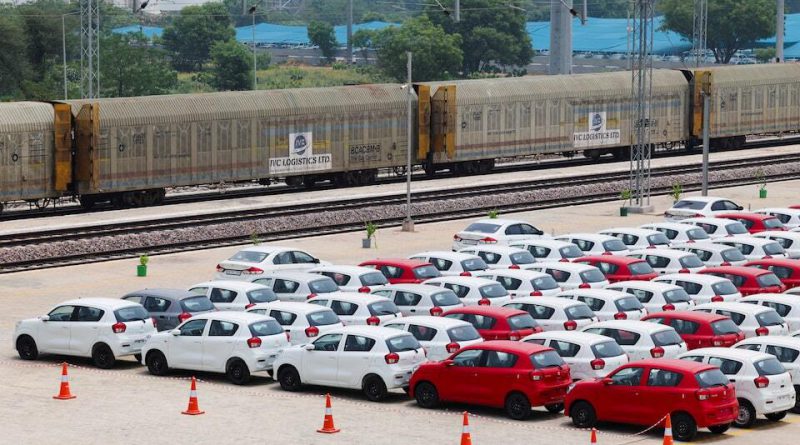
New Delhi – India is preparing to significantly reduce import tariffs on cars from the European Union as part of a long awaited free trade agreement, marking one of the biggest openings of the country’s automobile market to foreign competition.
The proposed move is expected to reshape trade relations between India and the EU while sending a strong signal about New Delhi’s willingness to liberalise key sectors.
According to sources familiar with the negotiations, tariffs on certain imported cars from the EU will be slashed to 40 percent from levels that currently go as high as 110 percent.
This reduction is expected to apply initially to a limited category of vehicles, particularly those priced above 15,000 euros, allowing a controlled entry of European models into the Indian market.
The tariff cut is seen as a major breakthrough as India and the European Union move closer to announcing the conclusion of their trade talks.
Officials from both sides are expected to formally declare progress soon, after years of negotiations aimed at creating one of the most comprehensive trade agreements India has ever signed.
Over time, the reduced tariff is expected to be lowered further to as little as 10 percent, offering European carmakers improved long term access to the world’s third largest automobile market.
This phased approach reflects India’s attempt to balance domestic industry protection with the benefits of increased foreign competition and consumer choice.
Major European automakers such as Volkswagen, Mercedes Benz, BMW, and Renault are likely to be among the biggest beneficiaries of the deal.
For these companies, India represents a high growth market where premium and mid range vehicle demand has been rising steadily.
However, the agreement is also expected to include safeguards for India’s emerging electric vehicle sector.
Sources indicate that electric vehicles imported from the EU will not receive any tariff reduction for at least the first five years, giving domestic manufacturers time to scale up production and technology.
The trade pact is being described by negotiators as transformative due to its potential to expand bilateral trade well beyond automobiles.
Indian exports such as textiles, jewellery, and manufactured goods are expected to gain improved access to European markets under the agreement.
The timing of the deal is particularly important for India, as some of its exports have recently faced higher tariffs in other major markets.
By strengthening ties with the EU, policymakers hope to diversify export destinations and reduce vulnerability to global trade disruptions.
For consumers in India, lower car tariffs could eventually translate into a wider range of choices and more competitive pricing.
Industry analysts say the move may also push domestic automakers to improve quality, innovation, and efficiency.
At the same time, the government is likely to face pressure from local manufacturers concerned about increased competition.
Officials have stressed that the phased implementation and limited scope of initial tariff cuts are designed to protect domestic interests.
As negotiations enter their final stage, attention is now on how quickly the agreement can be ratified and implemented.
If concluded as expected, the India EU trade pact could redefine economic cooperation between the two regions for decades to come.