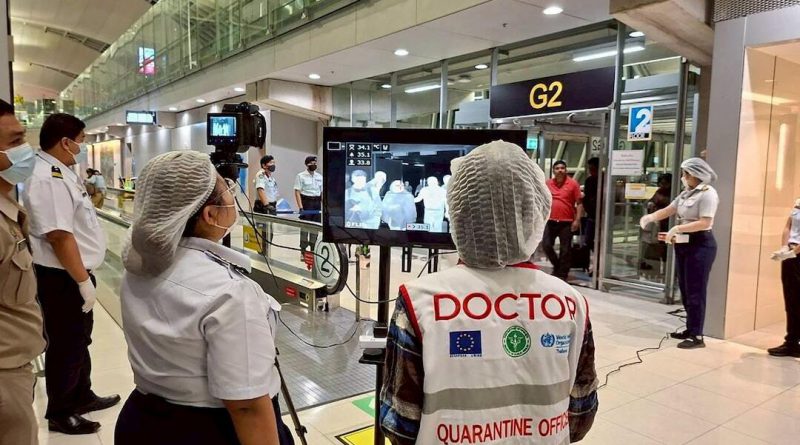
Nipah Virus Alert Prompts Airport Screening Across Asia
New Delhi – Health authorities across Asia have stepped up airport screening and surveillance measures after India confirmed two cases of the deadly Nipah virus, raising regional caution but not panic. The confirmed infections have led multiple countries to activate preventive health protocols aimed at early detection and containment, especially for travelers arriving from affected areas.
The Nipah virus, a zoonotic disease primarily carried by fruit bats and occasionally transmitted through animals such as pigs, is known for causing severe fever and brain inflammation. While it has a high fatality rate ranging between 40 and 75 percent, medical experts emphasize that it does not spread easily from person to person and usually requires close or prolonged contact.
The two confirmed cases were detected in the eastern Indian state of West Bengal in late December, with both patients identified as healthcare workers. They are currently receiving treatment at a local hospital, and authorities report that their condition is being closely monitored under strict medical supervision.
Indian health officials have traced nearly 200 contacts linked to the infected individuals, with all testing negative and showing no symptoms so far. Enhanced surveillance, laboratory testing, and field investigations were carried out promptly, helping to contain the situation and reduce the risk of wider transmission.
Following reports of the cases, neighboring and regional countries including Singapore, Thailand, Malaysia, Hong Kong, and Nepal have tightened border health measures. These steps are precautionary and focus mainly on temperature screening, health declarations, and monitoring of passengers arriving from regions linked to the cases.
Singapore has announced temperature checks at its main airport for selected flights arriving from affected areas in India. The country’s health authorities are also coordinating with international counterparts to better understand the situation and strengthen global information sharing related to genome sequencing and outbreak monitoring.
Hong Kong has implemented enhanced health screening at its international airport, including temperature checks at arrival gates for passengers traveling from India. Airport authorities are working closely with health departments to ensure swift identification of any suspected cases.
Thailand has introduced designated parking bays for aircraft arriving from areas reporting Nipah infections, along with mandatory health declaration forms for passengers before immigration clearance. Malaysia has similarly increased preparedness by strengthening health screening at international entry points, particularly for travelers from higher-risk countries.
China has stated that no Nipah cases have been detected domestically but has acknowledged the potential risk of imported infections. Nepal, which shares an open and busy border with India, has declared a high alert and intensified screening of travelers entering the country.
Medical experts note that Nipah outbreaks are not new to the region. The virus was first identified more than 25 years ago during an outbreak among pig farmers in Malaysia and Singapore, though scientists believe it has circulated in fruit bat populations for thousands of years.
The World Health Organization classifies Nipah as a priority pathogen due to the lack of licensed vaccines or treatments, its high fatality rate, and concerns that future mutations could increase transmissibility. Several vaccines are currently under development but remain in trial stages.
India has reported sporadic Nipah cases in the past, particularly in the southern state of Kerala, which is considered one of the world’s highest-risk regions for the virus. The recent cases in West Bengal are the state’s first in nearly two decades, marking a significant but contained public health event.