Rubio Signals Reset With Venezuela After Maduro Capture
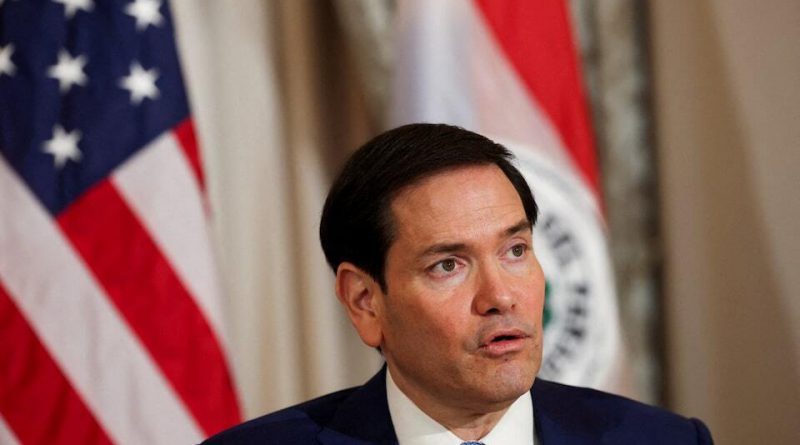
Washington – U.S. Secretary of State Marco Rubio told lawmakers that Washington is seeing meaningful progress in its engagement with Venezuela’s new leadership, marking a potential shift in relations after the dramatic capture of President Nicolas Maduro earlier this month. Speaking at a Senate hearing, Rubio described recent communications as constructive and suggested that diplomatic ties could soon be restored.
The hearing marked Rubio’s first public appearance before Congress since U.S. forces carried out the operation that led to Maduro’s removal. Lawmakers from both parties pressed the administration for clarity, reflecting unease over how the operation was conducted and what comes next for U.S. involvement in Venezuela.
Rubio said the Trump administration is now dealing with interim President Delcy Rodriguez, a longtime Maduro ally who assumed office following his arrest. While warning that military pressure could continue if U.S. demands are ignored, Rubio emphasized that current talks are focused on cooperation rather than confrontation.
According to Rubio, Venezuela’s leadership has shown openness toward rebuilding ties with Washington after years of strained relations. He told senators that officials on both sides are engaging respectfully and productively, adding that the United States could reopen a diplomatic presence in the country in the near future.
He argued that Venezuela had become strategically important due to the presence and influence of U.S. adversaries such as China, Russia, and Iran. Removing Maduro, Rubio said, was necessary to address what he described as an untenable security situation affecting both the region and U.S. interests.
Rubio told the committee that, for the first time in two decades, serious discussions are underway to reduce foreign influence in Venezuela. He said many political and economic actors inside the country favor renewed engagement with the United States across trade, security, and diplomatic fronts.
The secretary of state is also expected to meet with Venezuelan opposition leader Maria Corina Machado, fueling speculation about Washington’s long-term political vision for the country. Questions remain over whether the U.S. would support a leadership transition beyond the interim government.
The administration’s handling of the Maduro operation has sparked debate in Congress, particularly over war powers. A resolution aimed at limiting further military action without congressional approval narrowly failed after Vice President JD Vance broke a tie vote in the Senate.
Several lawmakers expressed frustration over what they described as a lack of communication from the White House and State Department. Some said they were briefed late or not at all, while oil industry executives reportedly learned of the operation earlier than members of Congress.
Rubio defended the administration, saying secrecy was essential to operational success. He acknowledged confusion among lawmakers but said efforts are underway to keep Congress better informed as policy toward Venezuela evolves.
He also outlined short-term plans to manage Venezuelan oil sales under U.S. oversight, while emphasizing a broader goal of helping the country transition toward stability and prosperity. Rubio said the administration wants Venezuela to eventually choose its leaders through free and fair elections.
Democrats and some Republicans warned that the situation could escalate into a prolonged conflict. They pointed to past U.S. military engagements that began with limited objectives but expanded into costly, years-long wars without clear endpoints.
The close Senate vote and sharp exchanges during the hearing highlighted growing tensions between Congress and the White House over foreign policy authority. As the U.S. charts its next steps in Venezuela, lawmakers signaled they will continue to scrutinize the administration’s actions closely.