US Slows Transfers of Islamic State Detainees to Iraq Amid Repatriation Concerns
Baghdad – The transfer of Islamic State detainees from Syria to Iraq by the United States has slowed significantly this week, according to multiple sources familiar with the process.
The slowdown comes after the Iraqi government requested additional time to manage the sensitive issue of foreign fighters and to prepare its detention infrastructure.
The transfers began earlier this month following growing instability in northeastern Syria.
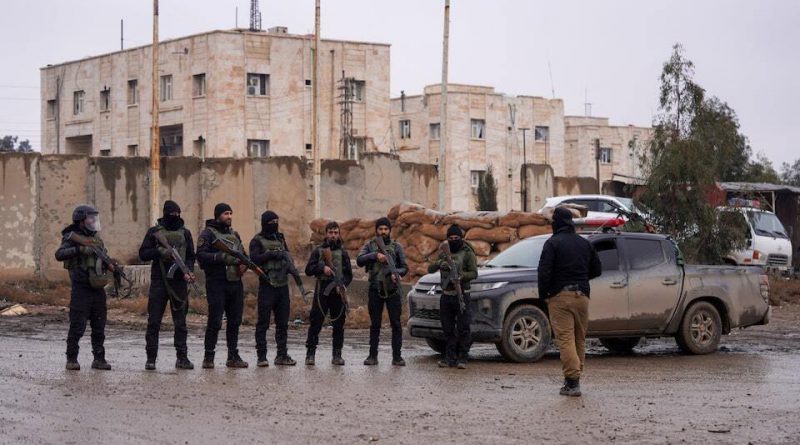
Security concerns intensified after the collapse of local forces responsible for guarding prisons and camps holding thousands of suspected militants.
Initially, U.S. officials had planned to move as many as 7,000 detainees to Iraq within a short period. However, more than a week after the process started, only around 500 detainees have been transferred so far.
Iraqi judicial and security officials say the current pace reflects Baghdad’s caution rather than logistical failure. The government has reportedly asked Washington to pause or slow the transfers to allow broader diplomatic discussions.
A key issue is the presence of hundreds of foreign nationals among the detainees. Many of them are citizens of Western countries that remain reluctant to accept their return.
Iraq has urged these countries to take responsibility for their own nationals. Officials argue that Iraq should not become the default holding location for foreign jihadists captured elsewhere.
Those transferred so far reportedly include around 130 Iraqi nationals and approximately 400 foreign fighters. They have been placed in Iraqi detention facilities under heightened security arrangements.
Baghdad has also cited practical challenges. Existing prisons are already under strain, and authorities need time to prepare additional secure facilities.
The detainees were originally held in Syria for years without trial. Their detention followed the collapse of the Islamic State’s self-declared caliphate in 2019.
Since then, the fate of these fighters has posed a major dilemma for the international community. Legal, political, and security concerns have stalled repatriation efforts across Europe and beyond.
Western governments fear domestic backlash, legal complications, and potential security risks. As a result, many countries have preferred to leave their citizens in regional detention rather than bring them home.
The slowdown in transfers highlights the limits of unilateral solutions to a multinational problem. Without coordinated agreements, Iraq risks inheriting a long-term security burden.
U.S. officials have not publicly commented on the reduced pace of transfers. Silence from Washington has added to uncertainty around the future of the operation.
Meanwhile, instability in Syria continues to raise alarm over the safety of remaining detention centers. Any further breakdown could risk escapes or renewed militant activity.
Iraqi officials stress that their cooperation depends on shared responsibility. They argue that lasting security requires international participation, not just regional containment.
The situation underscores unresolved consequences of the fight against Islamic State. Even years after its territorial defeat, the group’s legacy continues to challenge global security systems.
As talks continue behind closed doors, the fate of thousands of detainees remains uncertain. For now, transfers move slowly, shaped as much by politics as by security concerns.