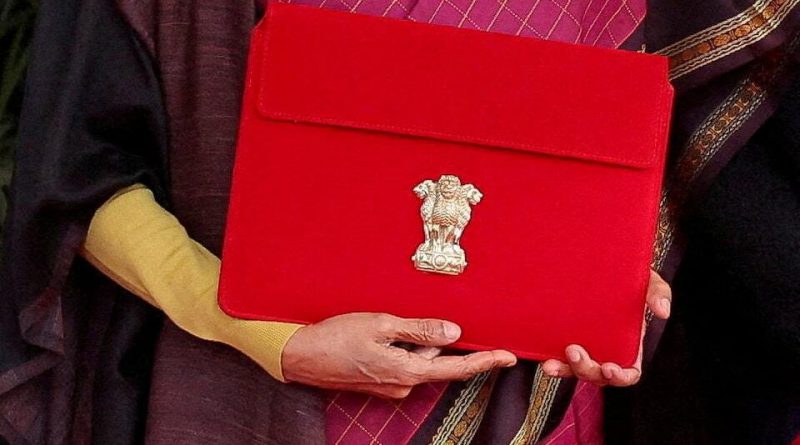
India Budget Balances Fiscal Discipline and Growth Priorities
Mumbai – India’s Union Budget for 2026–27 reflects a careful effort to balance fiscal responsibility with the need to sustain economic momentum in a challenging global environment. The government has chosen a calibrated approach that supports long-term growth while keeping a close watch on public finances.
The budget outlines a fiscal deficit target of 4.3 percent of gross domestic product for the coming financial year. This trajectory aligns with the broader goal of steadily reducing the debt burden while maintaining sufficient room for productive spending.
Finance Minister Nirmala Sitharaman emphasized that fiscal consolidation will continue without compromising development objectives. The strategy focuses on strengthening domestic manufacturing, boosting infrastructure, and reinforcing India’s resilience amid global volatility.
Revenue projections in the budget take into account the impact of recent tax reforms and moderated economic expansion. Nominal GDP growth is estimated at around 10 percent, which is expected to support gradual improvement in government receipts.
Net tax revenues are projected to grow steadily, supported by improved compliance and broad-based economic activity. At the same time, non-tax revenues, including dividends and surplus transfers, are expected to provide additional stability to the fiscal framework.
Despite revenue constraints, the government has maintained a strong focus on capital expenditure. Infrastructure development remains a cornerstone of the budget, with record allocations aimed at enhancing long-term productivity and employment generation.
Capital spending for 2026–27 has been raised to a historic high, reflecting confidence in its multiplier effect on the economy. Investments in roads, railways, urban development, and logistics are expected to stimulate private sector participation.
The budget also increases long-term, interest-free loans to states for capital projects. This move supports cooperative federalism and enables states to accelerate infrastructure creation tailored to local needs.
Spending priorities highlight a shift toward sectors that enhance self-reliance and competitiveness. Electronics manufacturing, construction, rare earth development, and strategic industries have received focused attention.
Revenue expenditure growth has been kept measured to ensure efficiency. Allocations for essential subsidies related to food, fuel, and fertilizers remain substantial, ensuring support for vulnerable sections while maintaining fiscal prudence.
Overall government expenditure is set to rise moderately, with capital outlays growing faster than routine spending. This composition is intended to deliver stronger economic returns and support sustainable growth.
Market participants have closely watched the borrowing programme outlined in the budget. While higher borrowings may influence bond markets, the clear fiscal roadmap provides reassurance about long-term stability.
The budget underscores continuity in policy direction, emphasizing growth through investment rather than excessive consumption-led spending. This approach aligns with India’s broader development vision and macroeconomic objectives.
By maintaining a tight leash on unproductive expenditure and prioritizing infrastructure and manufacturing, the budget seeks to create a durable foundation for growth. It reflects confidence in India’s economic fundamentals and reform momentum.
In summary, the 2026–27 budget represents a balanced framework that addresses immediate fiscal realities while investing in future capacity. The emphasis on discipline, growth, and resilience positions the economy to navigate uncertainty with stability.