Nigeria Assesses Oil, Market Exposure as Middle East Conflict Rattles Energy Markets
Abuja– Nigeria is monitoring escalating tensions in the Middle East and reviewing potential risks to its economic stability as the U.S.-Israeli conflict with Iran drives volatility in global energy markets, the finance ministry said on Wednesday.
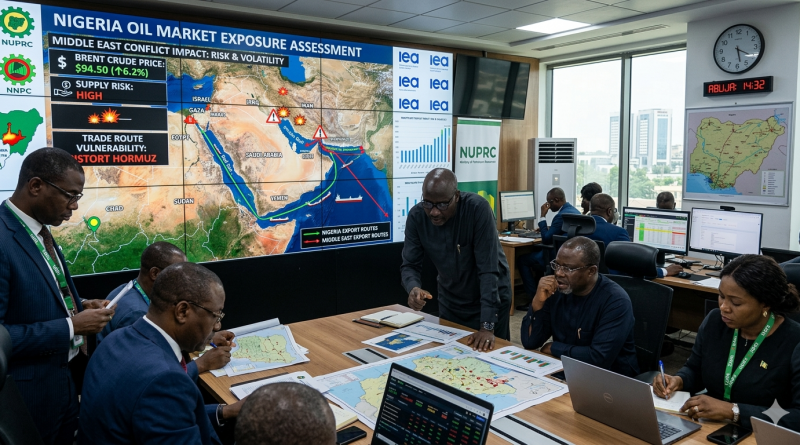
Finance Minister Wale Edun convened the country’s Economic Management Team to assess how rising geopolitical tensions could affect crude oil prices, capital flows and logistics costs, the ministry said in a statement.
Officials said instability linked to the conflict is already pushing up global crude prices, with concerns centred on possible disruptions near the Strait of Hormuz, one of the world’s most critical oil shipping routes.
The ministry said higher oil prices could translate into increased domestic costs for fuel, diesel, cooking gas and fertiliser, potentially placing additional pressure on households and businesses.
Authorities warned that prolonged instability in the Middle East could also intensify inflationary pressures and raise living costs.
Government officials said they are closely tracking a range of economic indicators, including crude price movements, exchange-rate pressures, capital flows, fiscal risks and foreign reserve levels.
The review comes as policymakers weigh potential spillover effects from global market volatility on the country’s financial stability.
The finance ministry said Nigeria entered the period with strengthening macroeconomic fundamentals, citing gross domestic product growth of 4.07% in the fourth quarter of 2025.
Authorities said policies would remain under review to protect households and businesses while maintaining investor confidence as global market conditions evolve.