New Zealand banks push back on central bank cash access proposal
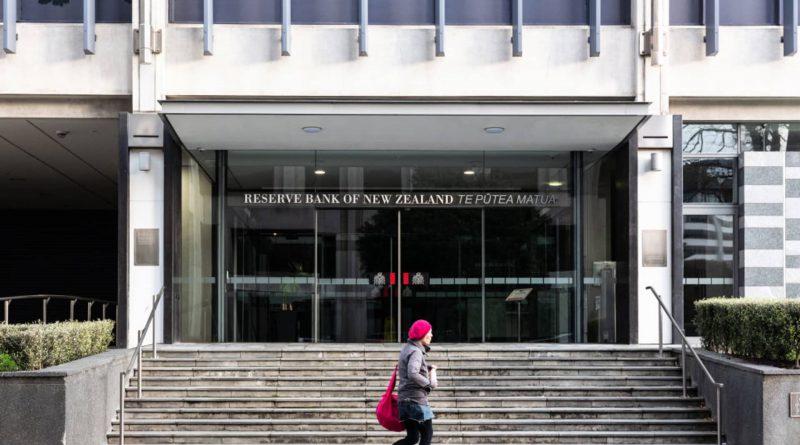
Wellington, — Banks in New Zealand have voiced opposition to a proposal by the Reserve Bank of New Zealand requiring lenders to maintain a minimum level of cash-related services, as policymakers globally grapple with how to safeguard access to physical money in increasingly digital economies.
The central bank last month launched a public consultation on a plan that would require commercial banks to ensure a baseline level of cash services, including expanding ATM availability and reducing withdrawal fees.
The proposal reflects growing concern among policymakers that the rapid transition toward digital payments could marginalise vulnerable groups and expose weaknesses in payment systems during outages or natural disasters.
Ian Woolford, director of money and cash at the Reserve Bank of New Zealand, said when the consultation was unveiled on Feb. 25 that access to cash had been steadily declining as banks reduced physical service points.
“The public expect banks to provide cash services to them, but banks have been steadily reducing points of access for their customers to get cash, bank cash or get change, especially in rural areas,” Woolford said. “We want this to change.”
Over the past decade, about 40% of bank branches in New Zealand have closed, according to central bank data.
Cash use for everyday purchases has also fallen sharply, dropping to 57.2% in 2023 from 95.8% in 2019, reflecting the widespread adoption of electronic payment systems.
Central banks, governments and commercial lenders globally are examining ways to protect access to cash, which studies show remains vital for financial inclusion and can become essential following disasters such as cyclones, when digital networks may fail.
Advocacy groups say cash continues to play an important role for people with limited financial resources or restricted access to banking services.
Jake Lilley, senior policy adviser at financial mentoring organisation FinCap, said cash remained critical for people managing tight budgets, small businesses and individuals who may not have full access to banking services, including those leaving prison or escaping violent relationships.
Research commissioned by the Reserve Bank also found cash remained important in rural areas and for community groups, while holding cultural, social and practical significance in Māori communities.