Namibia’s Green Hydrogen Ambitions Raise Environmental Concerns for Penguins and Fragile Desert Ecosystems
Nambia_ Vast stretch of Namibia’s largely untouched desert coastline could soon become the site of one of the world’s largest green hydrogen projects. While the ambitious plan promises economic opportunities and a potential role for the country in the global clean energy transition, conservationists warn it could pose serious risks to the delicate ecosystems that thrive in the region.
The proposed development would involve large solar and wind installations across remote desert landscapes near Namibia’s southwestern coast. Supporters say the project could transform the country into a leading exporter of green hydrogen an energy source viewed as crucial for reducing global carbon emissions.
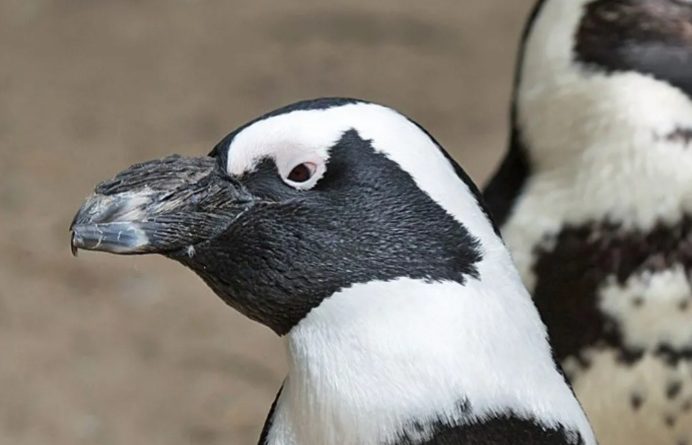
However, environmental groups argue that the development could threaten rare plant species and wildlife, including the endangered African penguin.The initiative forms part of Namibia’s national strategy to become a global hub for green hydrogen production. Hydrogen itself is a highly flammable gas that, when burned, produces heat and water rather than carbon dioxide.
This makes it an attractive alternative fuel for industries seeking to lower emissions.Hydrogen is already widely used in sectors such as petroleum refining, chemical manufacturing and fertiliser production.
However, the majority of hydrogen currently produced around the world relies on fossil fuels. When hydrogen is generated using renewable energy sources like wind or solar power, it is known as “green hydrogen” because of its lower environmental footprint.
The massive project in Namibia is being led by Enertrag through a joint venture known as Hyphen Hydrogen Energy. The company believes Namibia possesses some of the best natural conditions on Earth for producing green hydrogen at scale.
According to project developers, the region benefits from intense sunlight and powerful coastal winds, creating ideal conditions for renewable electricity generation. By combining these natural advantages with large-scale electrolysis facilities, the project aims to produce hydrogen fuel for export to international markets, particularly in Europe.
Yet the chosen location for the project has sparked intense debate. The development is planned within Tsau ǁKhaeb National Park, a vast protected area covering approximately 26,000 square kilometres along Namibia’s southern coastline.
The park’s name means “Soft Sands” in the Nama language and reflects the unique desert terrain that defines the region. Established in 2004, the park occupies land once known as the “Sperrgebiet,” a German term meaning “Restricted Area.”
During the early 20th century, German colonial authorities sealed off this region after diamonds were discovered there. Strict controls prevented most human activity for decades in order to protect mining interests.When the diamond rush eventually subsided, the long period of isolation allowed an extraordinary variety of plant and animal life to flourish.
Today the region is considered one of the most biologically unique desert environments in the world.Environmental organisations say this fragile ecosystem could be severely disrupted by the introduction of large industrial facilities.The Namibian Chamber of the Environment has warned that construction of solar panels, wind turbines and supporting infrastructure may damage habitats that support rare desert species.
In particular, scientists are concerned about unusual succulent plants that have evolved remarkable survival strategies to endure the harsh environment.These plants often store water in their tissues or reflect sunlight to reduce heat absorption adaptations that allow them to thrive in one of the planet’s most unforgiving climates.
Conservationists fear that large-scale development could push many of these species closer to extinction.Chris Brown, head of the Namibian Chamber of the Environment, has argued that the project should not be described as “green hydrogen” at all. Instead, he suggests it could become “red hydrogen,” referring to the risk that the development could push vulnerable species onto the biodiversity “red list.”
Brown also accuses wealthier countries supporting the project of applying double standards.According to him, nations such as Germany would be unlikely to permit similar industrial developments inside their own most protected natural areas. Yet they appear willing to support such projects abroad in countries seeking economic investment.“The Germans would never allow their premier national parks to become industrial zones,” Brown said.
“But they seem comfortable exporting the environmental risks to Namibia.”The environmental concerns extend beyond land ecosystems. Namibia’s southern coastline forms part of the Namibian Islands Marine Protected Area, one of the largest marine conservation zones in Africa.
This coastal stretch extends roughly 400 kilometres along the South Atlantic and supports an extraordinary variety of marine life. Among its most notable inhabitants are the critically endangered African penguins, whose populations have declined sharply in recent decades.The Namibian Foundation for the Conservation of Seabirds has raised alarms about the potential impact of the hydrogen project on marine ecosystems.
The organisation operates from the small port town of Lüderitz, historically known for its fishing industry. If the hydrogen project proceeds, the town could undergo dramatic expansion to support new shipping and industrial infrastructure.Neil Shaw, a representative from the seabird conservation group, warns that proposed port expansions could damage especially sensitive marine habitats.
He notes that the planned development areas include regions where penguins and other coastal birds depend on rich marine ecosystems for food.From his office overlooking a lagoon where flamingos gather, Shaw says even relatively small disruptions could have significant consequences for wildlife populations.“If development occurs in these highly sensitive zones, the impacts on marine ecosystems could be severe,” he said.
Project developers insist they are aware of the environmental risks and are working to minimize them.Representatives from Hyphen Hydrogen Energy say environmental impact assessments are currently underway. According to the company, careful planning will ensure that the project avoids the most ecologically sensitive areas within the park.
Toni Beukes, the company’s head of environmental, social and governance initiatives, says the southern region of Namibia offers a rare combination of wind and solar resources that are essential for producing green hydrogen at globally competitive prices.She argues that if Namibia hopes to establish itself in the emerging hydrogen economy, it must take advantage of locations where renewable energy potential is strongest.
“The south offers an exceptional overlap of wind and solar resources,” Beukes explained. “If Namibia wants to compete with other hydrogen projects around the world, that’s where the country’s advantage lies.”The debate reflects a broader global challenge: balancing urgent efforts to transition toward cleaner energy with the need to protect fragile ecosystems.
Supporters of the project emphasize the potential economic benefits. Large-scale hydrogen production could create jobs, attract international investment and help Namibia position itself as a major player in the future energy market.
Opponents argue that renewable energy projects should not come at the cost of irreplaceable natural environments.As Namibia weighs its ambitions for a green energy future, the fate of its rare desert plants and endangered penguins may become a defining test of how the world pursues sustainability without sacrificing biodiversity.