Trump warns of more strikes on Iran’s Kharg Island, presses allies to secure Strait of Hormuz
Dubai– Donald Trump warned of further U.S. strikes on Iran’s key oil export hub at Kharg Island and urged allied nations to deploy warships to safeguard shipping through the Strait of Hormuz, as the third week of the U.S.-Israeli war on Iran intensified and energy markets faced severe supply disruptions.
Trump said U.S. strikes had already “totally demolished” much of the island’s infrastructure and signaled the possibility of additional attacks, telling NBC News on Saturday that Washington could “hit it a few more times just for fun.”
The remarks marked a sharp escalation from earlier statements by the administration that had framed operations as limited to military facilities on the island.
Kharg Island is Iran’s primary oil export terminal and a critical node in global energy markets. Any prolonged disruption to its facilities risks tightening global crude supply at a time when energy prices are already climbing sharply due to the conflict.
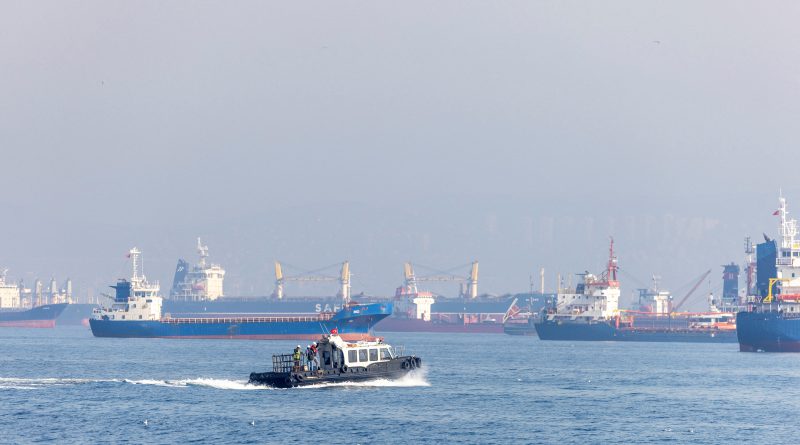
The fighting has heightened concerns over the security of the Strait of Hormuz, the narrow maritime corridor through which roughly a fifth of the world’s oil supply passes. Tehran has long maintained the capability to disrupt shipping in the waterway, a scenario that analysts say could amplify volatility in global energy markets.
Trump called on countries that rely on oil shipments through the strait to take a more active role in securing it. In a social media post on Saturday, he said nations receiving oil through the passage “must take care of that passage,” adding that the United States would coordinate with them to ensure maritime transit remained secure.
The push for allied naval deployments comes as oil markets face what industry observers have described as the largest disruption to global supply flows in modern history, according to recent market assessments cited by Reuters.
The war launched on Feb. 28 by Trump and Israeli Prime Minister Benjamin Netanyahu has expanded beyond direct strikes on Iranian targets. Missile and drone attacks continued across the region on Sunday, underscoring the conflict’s widening geographic scope.
Saudi Arabia said its air defenses intercepted and destroyed 10 drones over Riyadh and eastern regions of the kingdom, according to the Saudi defense ministry. Iran’s Revolutionary Guards denied involvement in the attacks, the semi-official Fars news agency reported.
A separate drone strike disrupted a major energy hub in the United Arab Emirates on Saturday, while Washington advised American citizens to leave Iraq amid rising security risks.
Despite signs that Tehran may be open to negotiations, prospects for a diplomatic resolution remain uncertain. Trump said Iran appeared willing to consider a deal to end the conflict but added that “the terms aren’t good enough yet.
”At the same time, three sources told Reuters that the U.S. administration had rejected attempts by Middle Eastern allies to initiate talks, a move that has complicated diplomatic efforts to halt the fighting.
More than 2,000 people have been killed since the conflict began, most of them in Iran, according to figures reported by governments and state media. In one of the latest incidents, an airstrike struck a refrigerator and heater factory in the central Iranian city of Isfahan, killing at least 15 people, the Fars news agency reported.