Pakistan–Taliban rift deepens as Kabul strike underscores strategic rupture
Islamabad— Pakistan carried out an air strike on Kabul, marking a sharp escalation in hostilities with the Afghan Taliban and underscoring a widening rupture between former allies over cross-border militancy and security concerns.
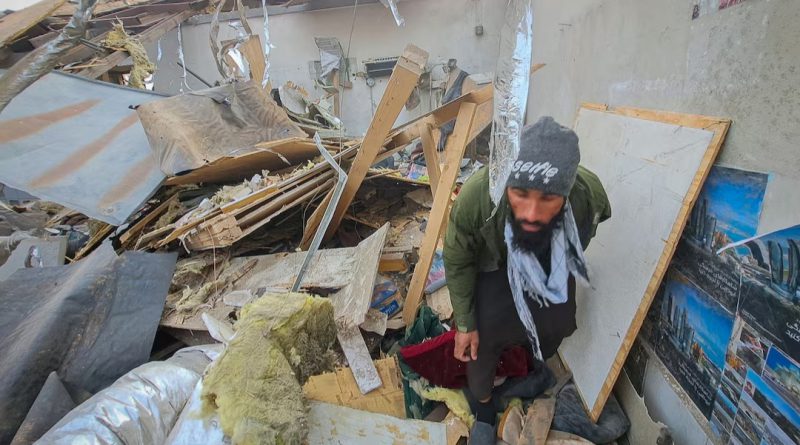
The Taliban said at least 400 people were killed and 250 injured in the strike, which it said hit a drug rehabilitation hospital, while Pakistan rejected the claim, saying it targeted military installations and “terrorist support infrastructure.
Pakistan had long been a key backer of the Taliban, supporting its emergence in the 1990s as part of a broader strategy to secure “strategic depth” in its rivalry with India.
Relations initially appeared strong after the Taliban returned to power in 2021, with then-prime minister Imran Khan welcoming the development. However, ties deteriorated as Islamabad accused Kabul of failing to curb militant groups operating from Afghan territory.
Pakistan says leaders and fighters of the Tehreek-e-Taliban Pakistan are based in Afghanistan and have intensified attacks inside Pakistan. It also accuses Afghan territory of being used by Baloch insurgents.
Violence linked to these groups has risen steadily since 2022, according to the Armed Conflict Location & Event Data, contributing to mounting pressure on Islamabad to act.
The Taliban deny providing safe haven to militants targeting Pakistan and counter that Islamabad harbours fighters linked to Islamic State, Pakistan rejects.
The latest strike follows weeks of intensifying clashes, including Pakistani air and ground operations targeting Taliban positions and infrastructure along the border. Officials said those actions came after attacks by Afghan forces on Pakistani border posts.
Pakistan’s defence minister has described the situation as amounting to an “open war,” reflecting the scale of the confrontation.Earlier attempts to stabilise the situation, including a ceasefire mediated by Turkey, Qatar and Saudi Arabia, have failed to hold.
Repeated border clashes, closures and disruptions to trade have further strained ties between the neighbours, signalling a breakdown in what was once a closely aligned relationship.