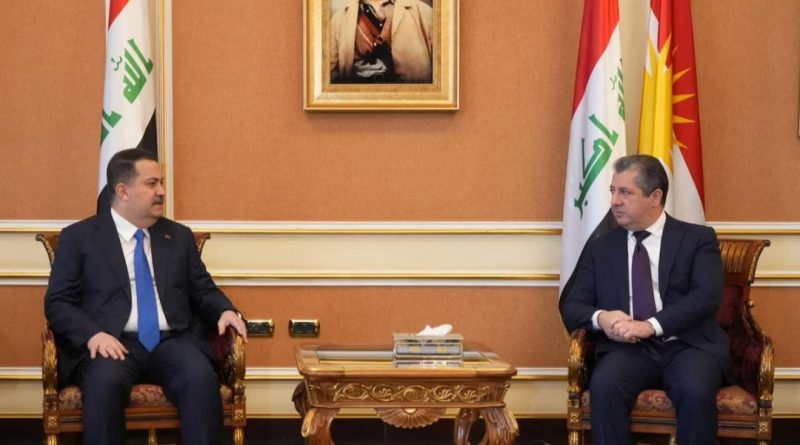
Iraq, Kurdistan strike deal to restart oil flows via Ceyhan amid conflict disruption
Baghdad — Iraq’s federal government and the Kurdistan Regional Government (KRG) agreed to resume crude oil exports through Turkey’s Ceyhan Port starting Wednesday, the oil minister said, in a move aimed at stabilising supplies after disruptions linked to regional conflict.
Oil flows are expected to begin at 10 a.m. , according to state media citing Oil Minister Hayan Abdel-Ghani. The agreement includes provisions to enhance security around oilfields and ensure continuity of export operations, Kurdish authorities said.
KRG Prime Minister Masrour Barzani said the region would allow crude exports through its pipeline network “at the earliest possible time” given the exceptional circumstances facing the country. He added that talks with Baghdad would continue to lift trade restrictions and provide guarantees to international oil companies to safely resume production.
Barzani also said he had instructed regional officials to facilitate exports following discussions with U.S. envoy Tom Barrack, emphasising the need to prioritise economic stability for citizens.
Tensions between Baghdad and the KRG had escalated in recent days, with Kurdish authorities accusing the federal government of failing to address security and economic challenges affecting the oil sector. Baghdad, in turn, said the KRG had refused to allow use of a regional pipeline as an alternative export route, alleging the imposition of arbitrary conditions.
The dispute unfolded against the backdrop of wider regional instability, including disruptions to crude flows linked to the Iran conflict.
Iraq’s presidency called on both sides to cooperate to restart exports, while parliament issued a seven-point directive urging the government to secure alternative outlets for crude to mitigate economic damage under current security conditions.
The parliamentary intervention followed consultations with the oil ministry to assess the impact of halted exports after the closure of the Strait of Hormuz, a key global energy transit chokepoint, underscoring the urgency of restoring flows through northern export routes.