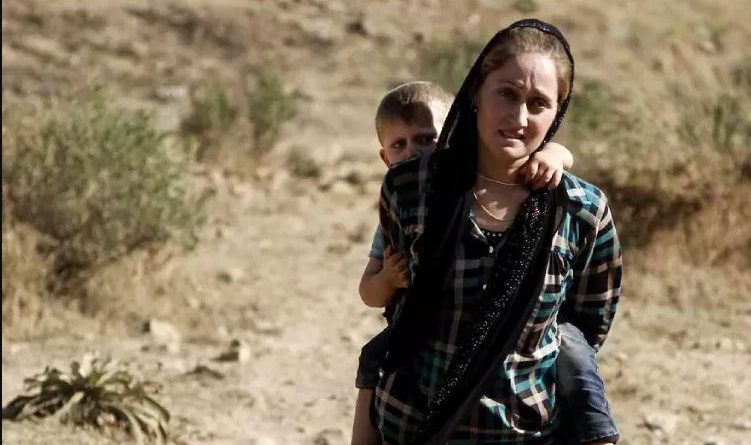
Women at Work: The Uneven Climb Toward Economic Equality
New York_Across continents, women are entering the workforce in unprecedented numbers, reshaping economies and social norms.
Yet despite decades of progress, the global path toward gender parity in employment remains uneven, slowed by structural inequalities, cultural expectations and policy gaps that continue to limit opportunities for millions.
According to data from international labour agencies, female labour force participation has risen steadily over the past two decades, particularly in emerging economies.
In South Asia, participation has fluctuated due to social constraints but is now showing signs of recovery, driven by education, digital work platforms and government initiatives aimed at financial inclusion.Still, the gap persists.
Women globally earn on average about 20% less than men, a disparity that widens in informal sectors where legal protections are minimal. In countries with large rural populations, women often remain confined to unpaid or underpaid labor, particularly in agriculture and domestic work.“In many regions, women’s work is still invisible in economic statistics,” said a senior economist at an international development organization.
“They contribute significantly, but without recognition, protection or fair wages.”The COVID-19 pandemic had a disproportionate impact on women’s employment, reversing years of gains. Women were more likely to lose jobs due to their concentration in service sectors such as hospitality, retail and education.
Many also exited the workforce entirely due to increased caregiving responsibilities at home.While employment levels have rebounded in many countries, women’s return has been slower.
Analysts point to a “care economy crisis,” where the burden of unpaid domestic labor continues to fall heavily on women, limiting their ability to pursue full-time employment.
In India, government-backed self-help groups have emerged as a key driver of women’s economic participation.
These collectives, often based in rural areas, provide microfinance, skill development and entrepreneurship opportunities. Similar models in Africa and Southeast Asia have also proven effective in boosting women’s financial independence.
Digital transformation is playing a crucial role. The rise of remote work, e-commerce and online freelancing platforms has created new pathways for women to engage in the economy without leaving their homes an important factor in societies where mobility restrictions persist.
However, digital access itself remains unequal. Women are less likely than men to own smartphones or have access to the internet in many developing regions, creating a “digital gender divide” that risks deepening existing inequalities.
Education remains one of the strongest predictors of women’s economic empowerment. Globally, female literacy rates have improved significantly, and in many countries, girls now outperform boys in secondary education.
Yet this educational advantage does not always translate into workforce participation, particularly in societies with restrictive gender norms.Cultural expectations continue to shape women’s career trajectories.
In many parts of the world, women are expected to prioritize family responsibilities over professional ambitions. Marriage and motherhood often mark turning points where careers stall or end altogether.
Even in developed economies, women face barriers to advancement. The “glass ceiling” persists in corporate and political leadership, with women underrepresented in senior decision-making roles. According to recent data, women hold less than a third of managerial positions globally.
Policy interventions have shown mixed results. Paid parental leave, childcare support and flexible work arrangements have improved outcomes in some countries, particularly in Scandinavia.
However, in many parts of the world, such policies are either absent or poorly implemented.There is also growing recognition of the need to address workplace harassment and discrimination.
The #MeToo movement brought global attention to these issues, prompting legal reforms and corporate accountability measures.
Yet enforcement remains inconsistent, and many women continue to face unsafe work environments.Despite these challenges, there are signs of transformation.
Women entrepreneurs are driving innovation, particularly in sectors such as technology, healthcare and sustainable development. Female-led startups are gaining visibility and attracting investment, though funding disparities persist.
Youth activism is also reshaping narratives. Younger generations are increasingly challenging traditional gender roles, advocating for equal opportunities and pushing institutions to adopt more inclusive practices.
Experts emphasize that achieving gender equality in the workforce is not just a social imperative but an economic one. Studies show that closing gender gaps could significantly boost global GDP, making it a priority for policymakers and businesses alike.
“The question is no longer whether women should be part of the workforce,” said the economist. “It is how to ensure they can participate fully, fairly and safely.
”As societies continue to evolve, the future of women’s work will depend on sustained efforts to dismantle barriers, invest in education and infrastructure, and redefine cultural norms that have long constrained half the world’s population.