Frederiksen leads race as Denmark votes amid coalition challenge
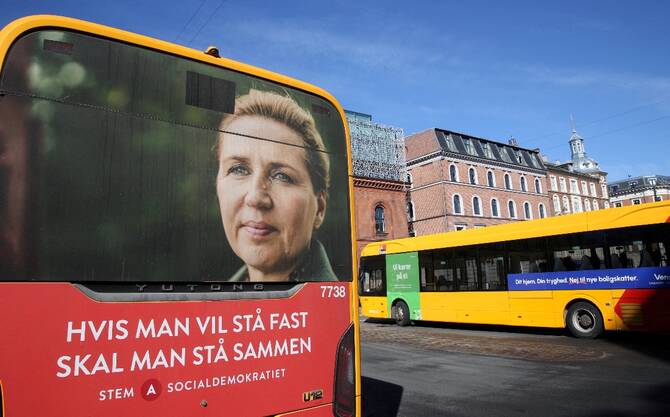
Copenhagen— Danish Prime Minister Mette Frederiksen is the frontrunner to retain power in Tuesday’s general election, though coalition partners Troels Lund Poulsen and Lars Løkke Rasmussen are positioning themselves as alternative leaders in a closely watched contest.
Frederiksen, leader of the Social Democrats, is seeking a third term after leading both a minority government and a cross-bloc coalition, while her rivals from the liberal Venstre party and the centrist Moderates aim to reshape the governing alliance.
Frederiksen, 48, has led Denmark since 2019 and took over the Social Democrats in 2015. Her tenure has been defined by a tougher stance on migration, aimed at preserving the country’s welfare model, and strong support for Ukraine in the face of regional security tensions.
She was initially credited for Denmark’s handling of the COVID-19 pandemic but later faced criticism over the “mink crisis,” involving the culling of millions of animals in a decision later deemed unlawful.
In her current term, Frederiksen has headed an unusual left-right coalition, seeking to counter the rise of far-right parties while maintaining fiscal and social stability. She has also clashed with U.S. President Donald Trump over his stated interest in acquiring Greenland, an autonomous Danish territory.
Poulsen, 49, leader of Venstre and currently deputy prime minister, has emerged as a key challenger advocating a right-leaning coalition. He has warned against higher taxation under a Frederiksen-led government and emphasised economic competitiveness.
A veteran of multiple cabinet roles, Poulsen has served as both economy and defence minister and has overseen the early stages of Denmark’s military rearmament amid heightened tensions with Russia and strategic concerns surrounding Greenland.
Though less publicly visible than his rivals, Poulsen has gained prominence as a consensus candidate within the right, despite earlier indications he might step back from politics.
Rasmussen, a former prime minister and current foreign minister, brings extensive political experience and has positioned himself as a centrist broker. Leader of the Moderates party, which he founded in 2021 after leaving Venstre, he played a central role in post-election negotiations that led to the current coalition government.
Rasmussen has been active in diplomatic efforts, including discussions linked to U.S. interest in Greenland. His political career has weathered controversies, including scrutiny over party spending, but he remains a prominent figure capable of influencing coalition dynamics.
The election outcome is expected to hinge on coalition negotiations, with no single party likely to secure a majority in Denmark’s fragmented political landscape.